
shaping LUXURY experience

Activate spaces digitally

Connect consumers with brands

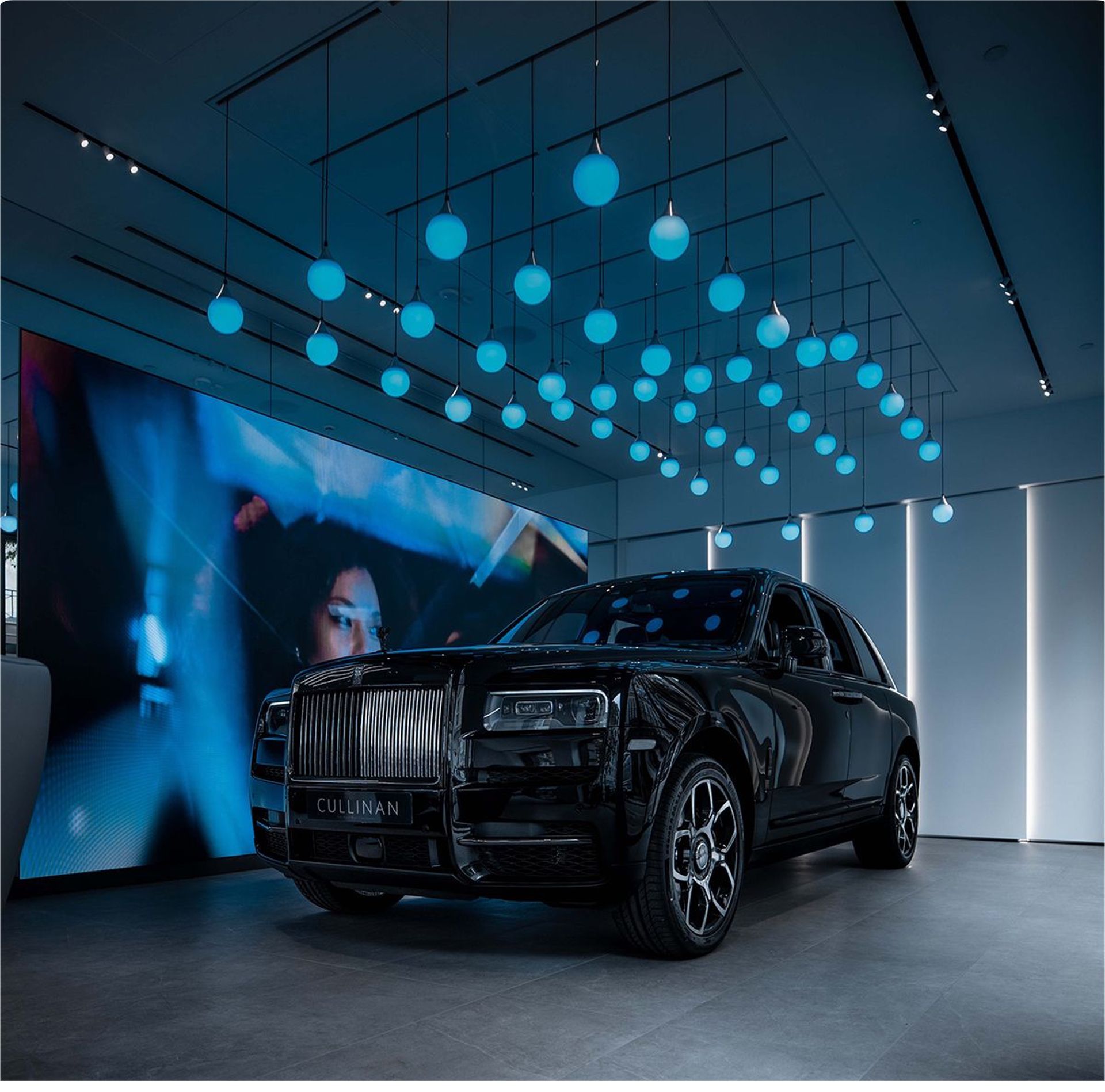
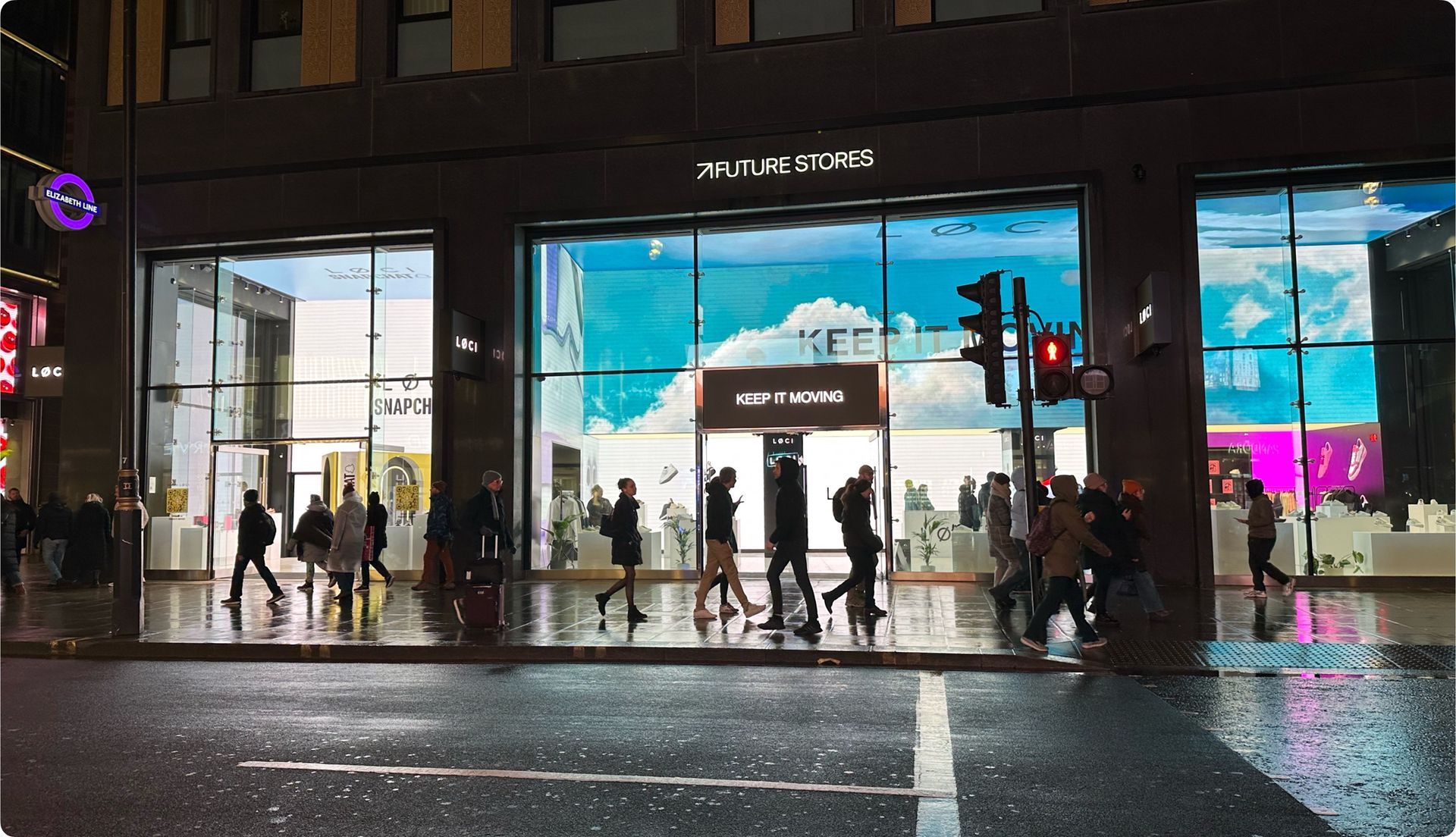
We curate in-store media experiences that invite customers to explore and engage with brands. 
Since 1934, we have pioneered innovation in music, visuals, technology and scent to design solutions that leverage cross-vertical learnings and scale across multiple countries and thousands of locations.

Discover more

A selection of our global brand partners

Brand Name
Brand Name
Brand Name
Brand Name
Brand Name
Brand Name
Brand Name
Brand Name
Brand Name
Brand Name
Brand Name
Brand Name
Brand Name
Brand Name
Brand Name

Influencing consumer behavior

We embrace a culture of innovation and offer a comprehensive range of services and integrated systems to ensure key touchpoints enhance the customer journey.

CURATED EXPERIENCES

Sensory-led storytelling inspires and engages to influence dwell time and shopping behavior.

DYNAMIC SPACES

Innovative technology activates the physical space, strategically inspiring a seamless transition across distinct touchpoints.

GLOBAL OPTIMISATION

Data insights help translate brand objectives into global solutions, optimizing them to deliver the highest impact and conversion. 
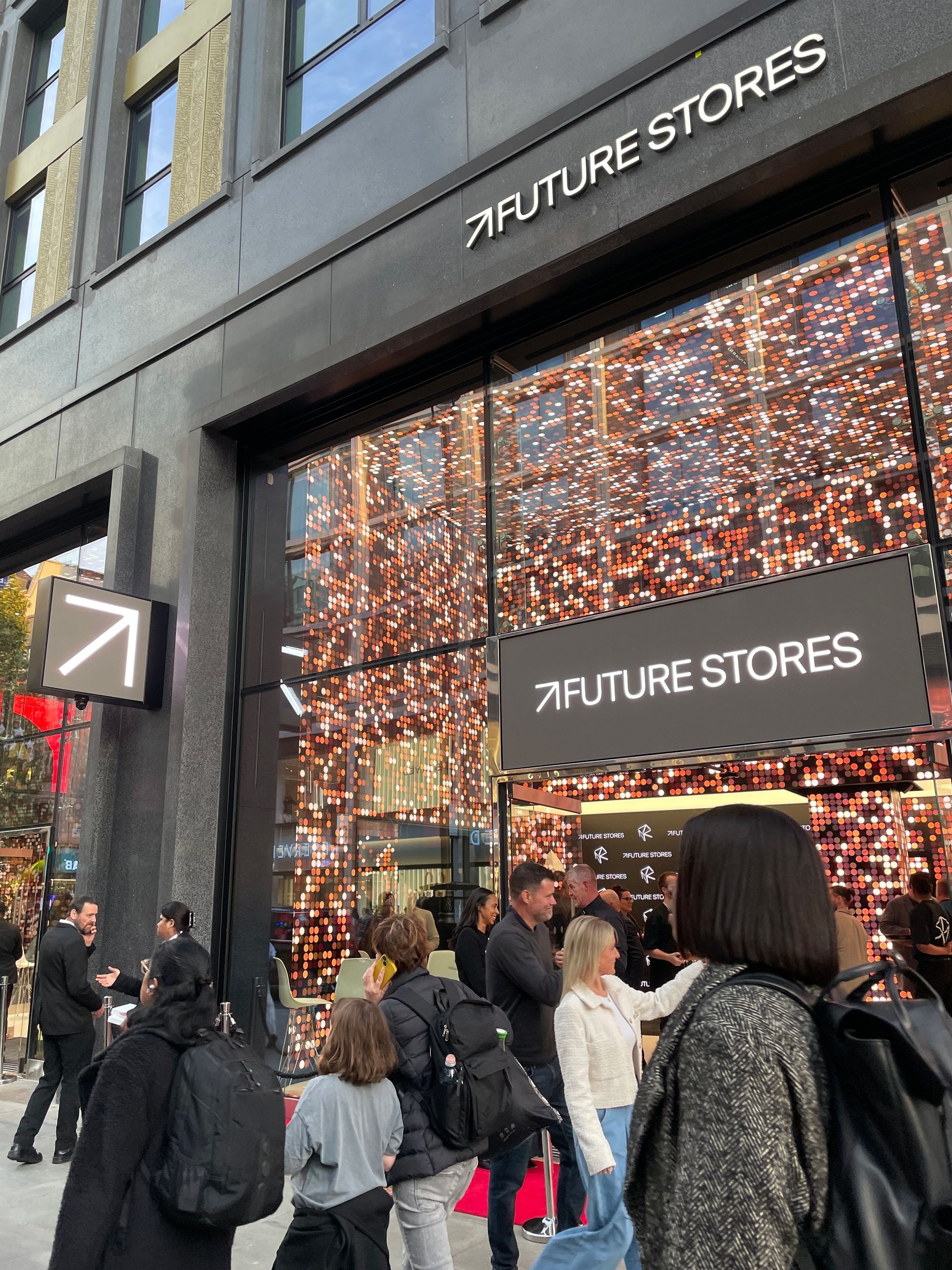
  • Each solution is developed with careful consideration of the customer journey.  Visuals, sound, and interactive features tap into customers’ natural curiosity and draw them into the brand narrative. By adopting new technologies that enhance and complement the experience, we create future-focused solutions that can scale and evolve with the brand to stay relevant in a dynamic marketplace.

    Learn about our approach

    Latest news

    April 13, 2026
    How to appeal to the new luxury customer Can brands appeal to the new generation of luxury customers without alienating their established base? Mood Media’s Head of Creative Barry McPhillips shares his insights into how both heritage and hypebeast brands are navigating this question and shaping their in-store experiences in response New Generation, New Expectations How do we define today’s luxury customer? The traditional customer base for heritage brands is still a powerful market segment; these shoppers value loyalty, personalised service, emotive in-store experiences, and purchases that make them feel special. But a new generation of luxury shoppers is disrupting the status quo. “Their expectations are very different. More immediacy, more theatre, more drama, more online,” explains Barry McPhillips, Head of Creative at Mood Media. Loyalty is no longer a priority. In fact, the product isn’t even necessarily the most important aspect of a luxury purchase for these customers. They’re more interested in buying into the feeling it gives them. This shift means that the luxury shopping experience has expanded beyond the boutique. It’s no longer just about curating exceptional in-store environments, the customer journey both pre and post purchase is equally important. It also presents a dilemma for brands looking to retain their loyal customers while also engaging the next generation – is it possible to evolve without alienating?
    By Andrea Duckett April 1, 2026
    How luxury shopping is hoping to attract the next generation of shoppers As luxury retailers look to retain their existing customer base while appealing to new audiences, they are evolving their approach to both their bricks-and-mortar stores and live media experiences. But with Gen Z brand loyalty never guaranteed, will investing in attention grabbing activities be enough to secure the future of the luxury sector? The economic uncertainty of recent years has been challenging for retailers, especially those operating in the luxury space. Richemont (owner of Cartier and Montblanc) saw operating profits drop by 17% year-on-year in the first half of 2025, Gucci’s revenues fell by 25% in the same period, and LVMH group revenues were down 2% in the first nine months of 2024. While engaging existing consumers will be an important part of these brands’ survival strategy, harnessing the spending power of Gen Z will be essential if the luxury industry is to navigate this difficult period and secure future prosperity. Currently aged between 13 and 28, Gen Z is the audience luxury retailers are hoping to attract - and for good reason. Gen Z spending is projected to reach $12 trillion by 2030 and their rate of spending on luxury goods is expected to be three times faster than other generations. But perhaps one of the most interesting stats to look at when considering how luxury shopping can adapt to serve Gen Z shoppers is that in-store mass merchandise and grocery purchases account for nearly 50% of their total spending. Gen Z is truly the omnichannel generation. While digital channels will continue to be an important driver of both online and offline sales, luxury brands are increasingly re-evaluating the role their retail spaces can play in securing the attention – and loyalty – of Gen Z shoppers. Capitalising on the potential of live media – immersive, real-world experiences designed to forge connections with new and existing shoppers – can help brands find the sweet spot between strategy and spectacle.
    By Andrea Duckett March 31, 2026
    The impact of digital content and personalised experiences Personalisation is expected to transform physical retail in the coming years, but is anyone doing it right When it comes to adapting digital content to serve a specific audience, there’s a wide gap between ambition and expectation – and customers are more than aware of this discrepancy. In fact, only 23% of shoppers think that retailers are doing a good job when it comes to personalisation.[1] But how can brands bridge the gap? It all starts with understanding customer experience. Content for content’s sake isn’t just a waste of budget, but it also runs the risk of alienating loyal customers. If this sounds familiar, you’re not alone. Several luxury brands are hampered in their efforts to implement digital content effectively; some haven’t built sufficient knowledge of the customer in-store experience, some don’t have buy-in from stakeholders, and some are restricted by budget. Any luxury brand considering using digital content in their retail stores – and potentially personalising that content – should start with four key questions: 1. What is the purpose of this content? 2. In what context will customers experience this content? 3. How will this content impact the customer journey? 4. Does this content complement the store environment? If you don’t have an answer to each of these questions, you’re probably not ready to maximise the opportunity digital content offers. And it is a considerable opportunity; retailers who can effectively leverage personalised digital content in-store are 48% more likely to exceed their revenue goals. So, how can you use digital content effectively?
    Show more