
Attracting the next generation of shoppers
How luxury shopping is hoping to attract
the next generation of shoppers
As luxury retailers look to retain their existing customer base while appealing to new audiences, they are evolving their approach to both their bricks-and-mortar stores and live media experiences. But with Gen Z brand loyalty never guaranteed, will investing in attention grabbing activities be enough to secure the future of the luxury sector?
The economic uncertainty of recent years has been challenging for retailers, especially those operating in the luxury space. Richemont (owner of Cartier and Montblanc) saw operating profits drop by 17% year-on-year in the first half of 2025, Gucci’s revenues fell by 25% in the same period, and LVMH group revenues were down 2% in the first nine months of 2024.
While engaging existing consumers will be an important part of these brands’ survival strategy, harnessing the spending power of Gen Z will be essential if the luxury industry is to navigate this difficult period and secure future prosperity.
Currently aged between 13 and 28, Gen Z is the audience luxury retailers are hoping to attract - and for good reason. Gen Z spending is projected to reach $12 trillion by 2030 and their rate of spending on luxury goods is expected to be three times faster than other generations. But perhaps one of the most interesting stats to look at when considering how luxury shopping can adapt to serve Gen Z shoppers is that in-store mass merchandise and grocery purchases account for nearly 50% of their total spending. Gen Z is truly the omnichannel generation.
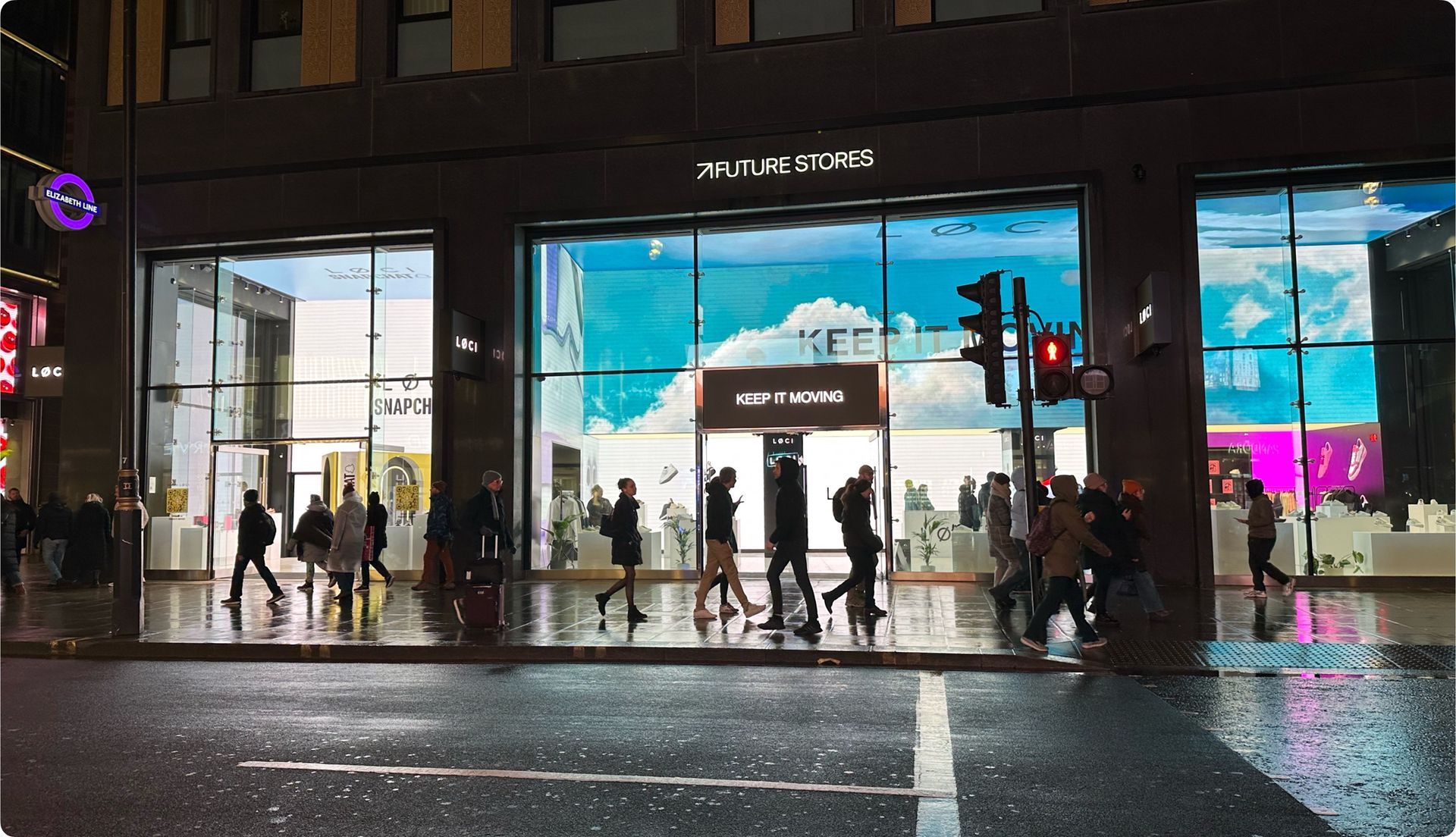
While digital channels will continue to be an important driver of both online and offline sales, luxury brands are increasingly re-evaluating the role their retail spaces can play in securing the attention – and loyalty – of Gen Z shoppers. Capitalising on the potential of live media – immersive, real-world experiences designed to forge connections with new and existing shoppers – can help brands find the sweet spot between strategy and spectacle.
The “interesting” economy
One way that luxury brands are creating new customer connections, both in their retail stores and digital channels, is by leveraging their brand values and storytelling. Humour and absurdity have helped brands stand out from the crowd but displaying these traits effectively has been an exercise in balance for luxury retailers who want to attract attention without betraying their core identity and customers.
Jacquemus is one brand that has made absurdity an artform. Founded in 2009, the brand was originally a celebration of traditional French culture and beauty, but has quickly differentiated itself (and built a strong Gen Z customer base) thanks to its willingness to lean into weirdness. It’s a risky move but it works because it’s become a pillar of the brand’s identity: its social media posts feature giant props, modern art installations, and models in provocative poses; its produce range includes the viral mini La Chiquito and La Vanity Micro bags; and its flagship stores play a dual role as art galleries and inviting homes away from home thanks to their Provençal style furnishings.
It’s easy to contrast this consistent brand story with Jaguar’s more controversial rebrand. While clearly aimed at a younger audience than its traditional customer, Jaguar’s Copy Nothing campaign feels incongruous as it’s largely divorced from the rest of the brand’s identity. The typical Jaguar showroom is still minimalist with clean white walls and flooring, expansive glass walls, and metallic accents - a striking contrast to the bold neon shades, vivid coloured lighting, and LED displays that dominated its recent product launches documented on social media. This disconnect means the rebrand currently feels more like a sales pitch than an organic evolution of a heritage brand and, as branding expert, Martin Lindstrom confirms, sales pitches are a guaranteed turn-off for Gen Z.
That’s not to say that brands with a rich heritage can’t participate in the interesting economy. In fact, it’s even more important than ever before that luxury brands pioneer original ideas, leaving it to the mass market to follow the trends.
Nike has been one of the world’s leading sports brands for over 60 years and continues to appeal to new generations thanks to its imaginative approach to retail.
Its 2016 SNKRS box installation is a prime example; Nike celebrated the US Olympic basketball team with this sneaker box-inspired pop-up in San Francisco. An immersive giant shoe box, the store featured LED displays on all its external surfaces, while the interior boasted an illuminated clear acrylic floor containing Nike Air Foamposite sneakers from the past 20 years. An innovative way to honour its heritage while capturing the mood of the movement with live media.
Breaking boundaries: Making luxury accessible
Creating retail spaces that align with their brand story isn’t the only tactic luxury retailers are using to connect with a new generation of shoppers. It may sound like an oxymoron, but many luxury brands are gaining traction by becoming more accessible.
As Francois Pinault, founder of Kering, put it, “luxury retail is now less about brand heritage than brand interaction in the here and now.”
Today’s shoppers have more access to everything. Gen Z has grown up being able to see snapshots of their favourite celebrities’ personal lives on their social media accounts and exchange DMs with the influencers who set the trends. It’s a culture of openness and accessibility that luxury brands need to come to terms with as they look to broaden their appeal.
Accessibility doesn’t mean exclusivity is a thing of the past, it’s simply evolved. Price points remain high and drop culture has incentivised shoppers to go above and beyond to secure the pieces they really want. An approach pioneered by streetwear labels, drop culture cleverly makes pieces available to everyone, but that doesn’t mean everyone can get them. Forget intimidating store environments and aloof salespeople, drop culture allows luxury brands to preserve exclusivity without being elitist.
Having an irreverent approach to live media has been the go-to tactic of many luxury brands in recent years. Tiffany & Co vandalised its own store in 2018 to coincide with its Tiffany Blue campaign starring Elle Fanning. Blue paint was thrown across its windows and the brand logo was tagged on the walls in black graffiti-style.
Diesel took things a step further the same year by opening its own knock-off store in New York City’s Chinatown. Its bootleg brand “DEISEL – For Successful Living” was intentionally misspelled and DEISEL adorned a range of the brand’s signature pieces, available to buy at a discounted price. The store looked like any other in the area, with stock stuffed onto shelves and hand-written price tags, merchandising that is worlds away from the image the typical consumer would have of a luxury boutique.
Renzo Rosso, president of Diesel’s parent brand OTB group, hoped that the stunt would encourage fans of the brand to wear whatever they want while also proving that Diesel has a sense of humour. Rather than encouraging counterfeit products (which Rosso made clear would still be prosecuted), it reinforced the iconic nature of legitimate Diesel-branded pieces while turning the heads of new and existing customers alike.
Building loyalty in luxury
Luxury retailers have traditionally relied on customer loyalty, those shoppers who come back season after season and take pride in being longstanding brand advocates. However, Gen Z shoppers’ loyalty is a more fleeting commodity and luxury brands can no longer trust that once a customer is won, they’ll be retained long-term.
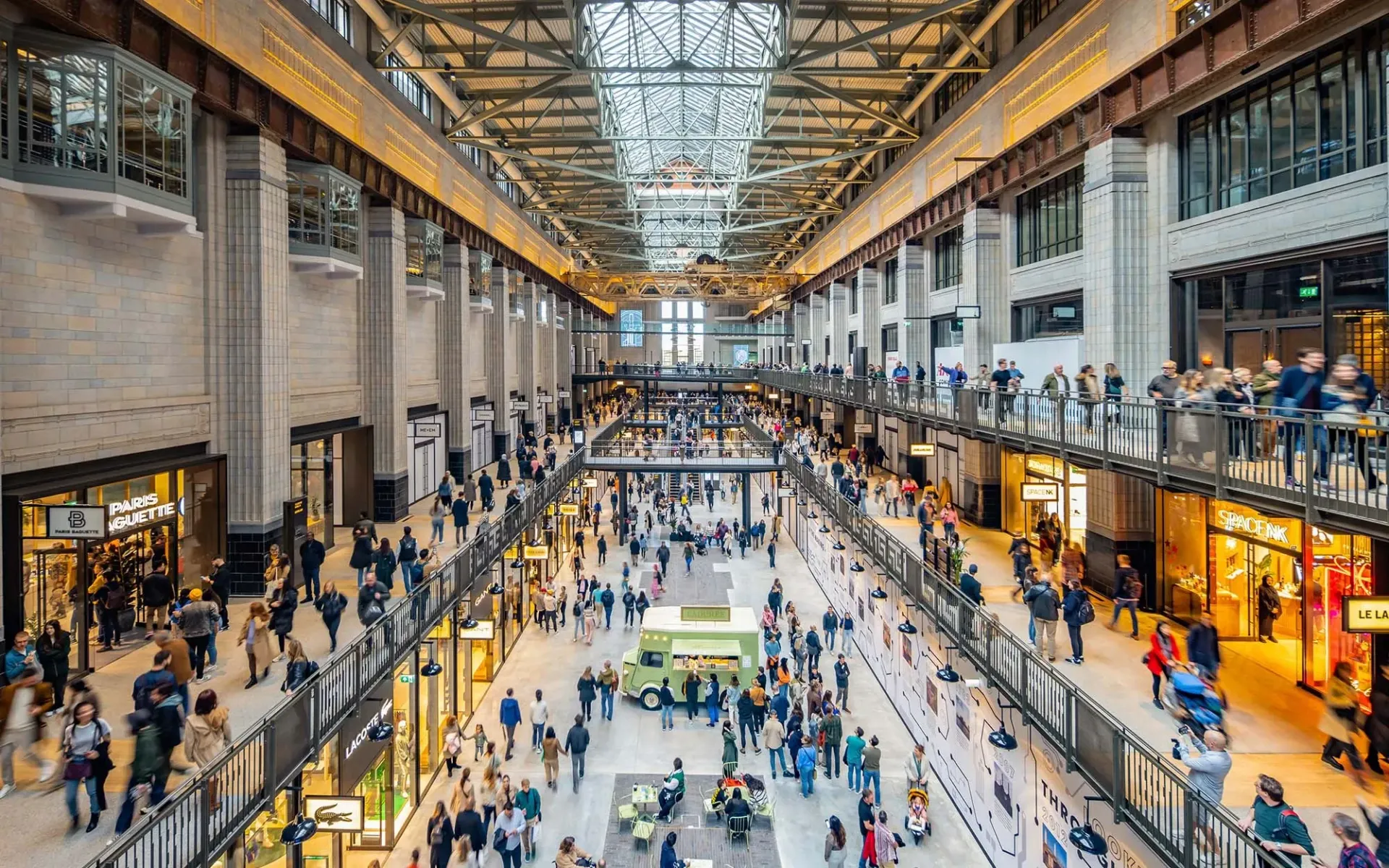
This is one of the reasons why these retailers have started to concentrate their efforts on improving brand sentiment by making their flagship stores must-visit locations. Brand storytelling shines through these spaces, but their function has gone beyond simply facilitating sales, offering multisensory experiences that make every moment spent in-store count.
Dior’s Paris flagship, 30 Avenue Montaigne, is a boutique, museum, and patisserie all in one. La Galerie Dior takes visitors through the history of the House while La Patisserie Dior overlooks the store’s rose garden and serves a menu of sweet treats. It would be more than feasible for shoppers to spend half a day in the store and make it a must-visit destination on their Parisian itinerary.
While Dior’s Paris flagship offers a host of store concepts alongside its main collections, Saint Laurent has opened a store in the city that doesn’t sell its fashion or accessories pieces at all. Saint Laurent Babylone opened in 2024, a bookstore and gallery curated by the House’s Creative Director, Anthony Vaccarello, and inspired by the culture of its Left Bank neighbourhood. It stocks a selection of rare books, out-of-print publications, and vinyl records and also contains an events space, which regularly hosts live music performances and author signings.
Luxury brands are also leaving the confines of their flagships to connect with new customers in engaging pop-ups. The Louis Vuitton x Murakami pop-up opened In London’s Soho in January 2025 celebrating the relaunch of the 2004 Louis Vuitton collaboration with Japanese artist Takashi Murakami. A joyful bright pink interior reflected the creativity of the collaboration while visitors were invited to explore pieces from the original collection, get refreshments from the onsite café, or have vintage LV items fixed at the repair station. Every purchase also came with a complimentary token, which shoppers could redeem in a vending machine stocked with unique gifts and mementos.
These new store concepts and live media activations prove that luxury retailers are willing to evolve to ensure their longevity. Making their retail spaces more accessible and capitalising on the interesting economy doesn’t mean these brands need to reject their roots; in fact, those that have been successful have gained new customers because the choices they’ve made honour their heritage while offering something unique.
Whether it’s a tongue-in-cheek pop-up like the Diesel knock-off store or a store dedicated to culture rather than commerce like Saint Laurent Babylone, these luxury retailers are forging a new path that feels true to the brand yet perfectly tailored to Gen Z sensibilities. The perfect fusion of brand storytelling and space curation.