

INFLUENCING CONSUMERS
Explore latest insights
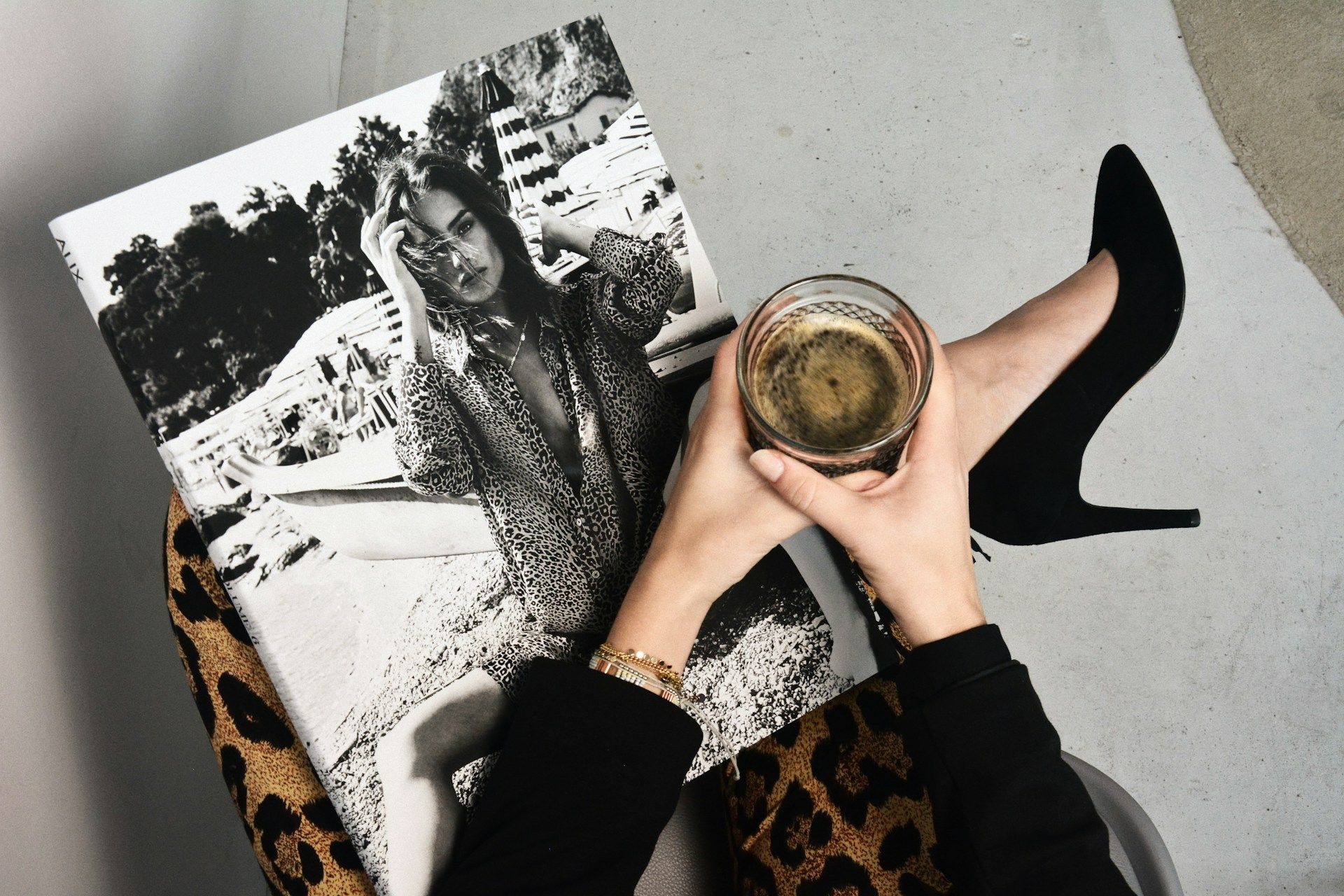
How to appeal to the new luxury customer Can brands appeal to the new generation of luxury customers without alienating their established base? Mood Media’s Head of Creative Barry McPhillips shares his insights into how both heritage and hypebeast brands are navigating this question and shaping their in-store experiences in response New Generation, New Expectations How do we define today’s luxury customer? The traditional customer base for heritage brands is still a powerful market segment; these shoppers value loyalty, personalised service, emotive in-store experiences, and purchases that make them feel special. But a new generation of luxury shoppers is disrupting the status quo. “Their expectations are very different. More immediacy, more theatre, more drama, more online,” explains Barry McPhillips, Head of Creative at Mood Media. Loyalty is no longer a priority. In fact, the product isn’t even necessarily the most important aspect of a luxury purchase for these customers. They’re more interested in buying into the feeling it gives them. This shift means that the luxury shopping experience has expanded beyond the boutique. It’s no longer just about curating exceptional in-store environments, the customer journey both pre and post purchase is equally important. It also presents a dilemma for brands looking to retain their loyal customers while also engaging the next generation – is it possible to evolve without alienating?

How luxury shopping is hoping to attract the next generation of shoppers As luxury retailers look to retain their existing customer base while appealing to new audiences, they are evolving their approach to both their bricks-and-mortar stores and live media experiences. But with Gen Z brand loyalty never guaranteed, will investing in attention grabbing activities be enough to secure the future of the luxury sector? The economic uncertainty of recent years has been challenging for retailers, especially those operating in the luxury space. Richemont (owner of Cartier and Montblanc) saw operating profits drop by 17% year-on-year in the first half of 2025, Gucci’s revenues fell by 25% in the same period, and LVMH group revenues were down 2% in the first nine months of 2024. While engaging existing consumers will be an important part of these brands’ survival strategy, harnessing the spending power of Gen Z will be essential if the luxury industry is to navigate this difficult period and secure future prosperity. Currently aged between 13 and 28, Gen Z is the audience luxury retailers are hoping to attract - and for good reason. Gen Z spending is projected to reach $12 trillion by 2030 and their rate of spending on luxury goods is expected to be three times faster than other generations. But perhaps one of the most interesting stats to look at when considering how luxury shopping can adapt to serve Gen Z shoppers is that in-store mass merchandise and grocery purchases account for nearly 50% of their total spending. Gen Z is truly the omnichannel generation. While digital channels will continue to be an important driver of both online and offline sales, luxury brands are increasingly re-evaluating the role their retail spaces can play in securing the attention – and loyalty – of Gen Z shoppers. Capitalising on the potential of live media – immersive, real-world experiences designed to forge connections with new and existing shoppers – can help brands find the sweet spot between strategy and spectacle.

The impact of digital content and personalised experiences Personalisation is expected to transform physical retail in the coming years, but is anyone doing it right When it comes to adapting digital content to serve a specific audience, there’s a wide gap between ambition and expectation – and customers are more than aware of this discrepancy. In fact, only 23% of shoppers think that retailers are doing a good job when it comes to personalisation.[1] But how can brands bridge the gap? It all starts with understanding customer experience. Content for content’s sake isn’t just a waste of budget, but it also runs the risk of alienating loyal customers. If this sounds familiar, you’re not alone. Several luxury brands are hampered in their efforts to implement digital content effectively; some haven’t built sufficient knowledge of the customer in-store experience, some don’t have buy-in from stakeholders, and some are restricted by budget. Any luxury brand considering using digital content in their retail stores – and potentially personalising that content – should start with four key questions: 1. What is the purpose of this content? 2. In what context will customers experience this content? 3. How will this content impact the customer journey? 4. Does this content complement the store environment? If you don’t have an answer to each of these questions, you’re probably not ready to maximise the opportunity digital content offers. And it is a considerable opportunity; retailers who can effectively leverage personalised digital content in-store are 48% more likely to exceed their revenue goals. So, how can you use digital content effectively?
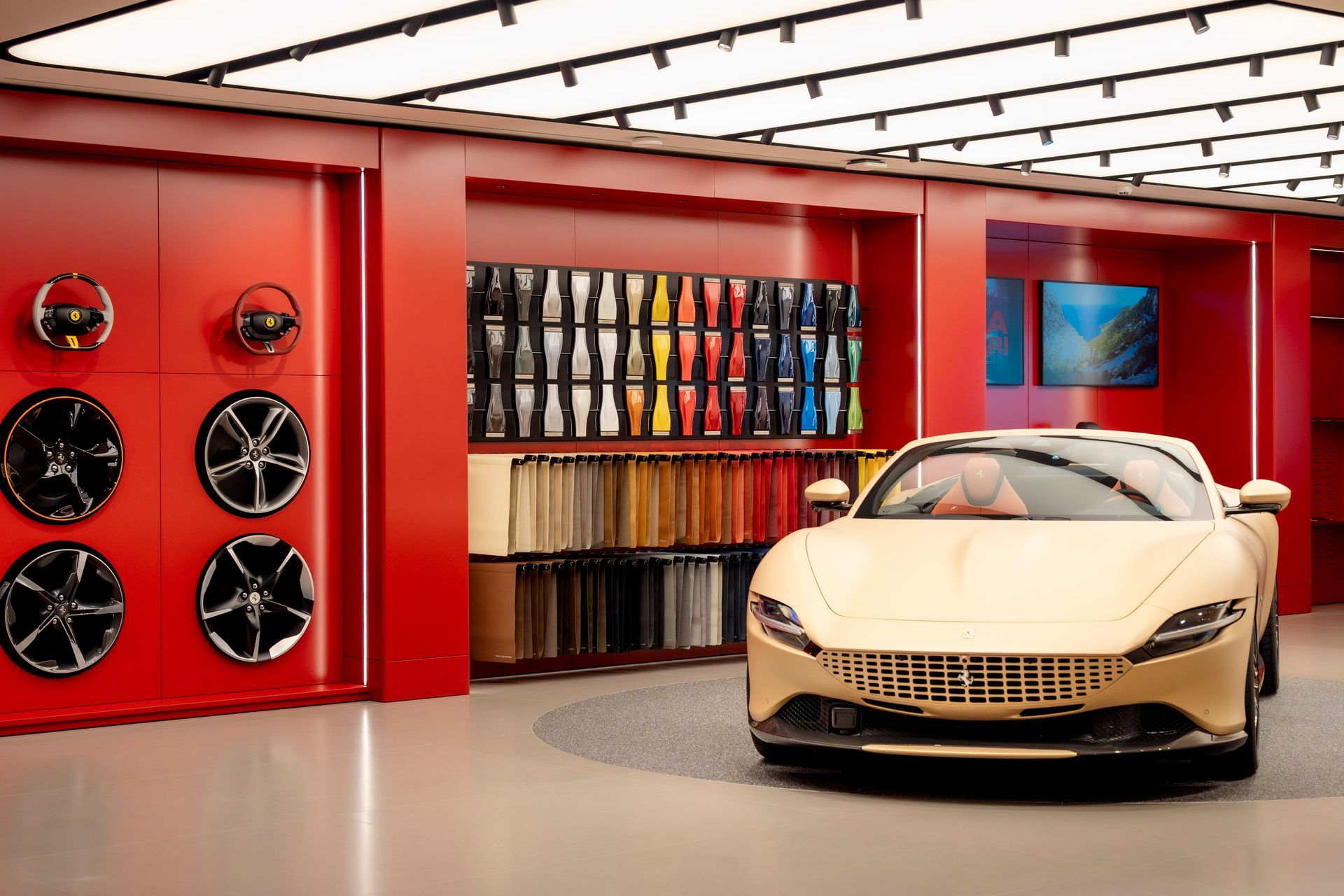
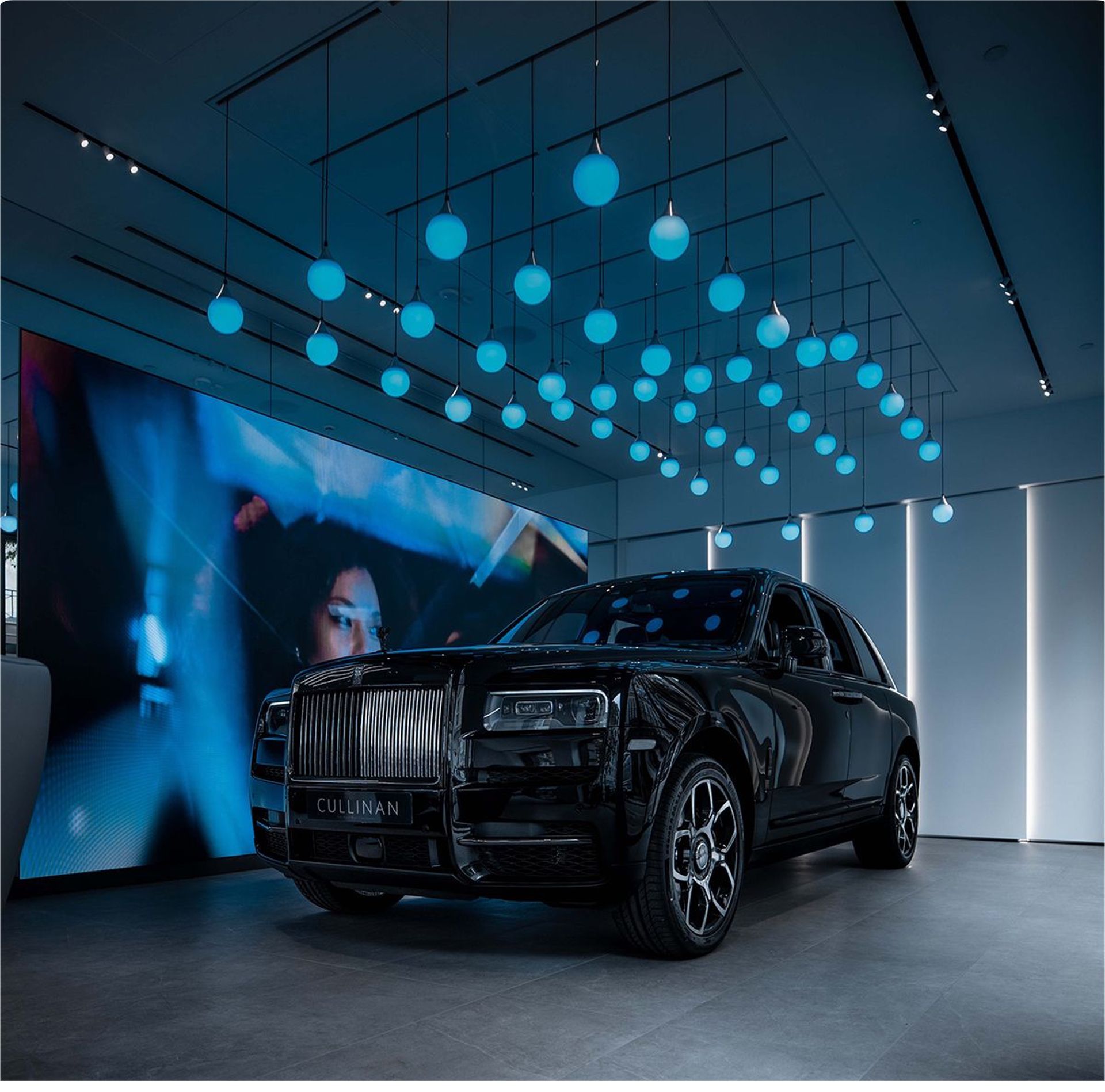
The luxury automotive industry is at a crossroads, needing to adapt to a new generation of customers without losing the heritage brand equity that its existing clientele have invested in. And in an industry that markets perfection, the execution of its buying journeys can’t be anything but extraordinary. Barry McPhillips, Head of International Creative at Mood Media, explains more Prestige, heritage, and quality are just three of the many adjectives traditionally associated with the luxury automotive industry. The likes of Rolls-Royce, Bentley, Aston Martin, and Ferrari epitomise exclusivity and have historically attracted an eclectic customer base, ranging from collectors to performance enthusiasts. Owning a luxury vehicle comes with a perceived elevation in status that is considered more than worth the price tag. Delivering perfection as standard The luxury automotive sector is thriving and projected to be worth $655 million by 2027[1]. But it’s also highly competitive; a McKinsey survey found that 35% of luxury car buyers[2] would consider switching brands when making their next purchase. And that competition will only intensify as brands start to adapt to a changing audience and look to attract a new generation of buyers. The new generation have a different perception of luxury brands and take different routes to purchase. However, the biggest players in luxury automotive also can’t afford to lose their legacy clientele. These dual priorities present a real challenge as brands need to retain their identity and heritage while being pressured to become all things to all people. That’s why the buying experience is so important. Luxury automotive brands effectively sell the concept of perfection, which must be achieved in both the showroom and post-sales process to ensure long-term loyalty. So, what qualifies as the perfect luxury automotive buying experience?

How can retailers’ structure for success in the year ahead? That’s the question we posed to retail specialist Ian Scott. With over 20 years’ experience, Ian has a unique understanding of customer behavior, retail design, and industry trends, making him the perfect person to share his insights. 1. Customers are consistently inconsistent Human behavior presents a conundrum for retailers. On a macro scale, certain traits are inherent, but it would be a mistake to believe people are predictable. “90% of good retail involves understanding human behavior, which is often inconsistent,” Ian explains. It’s important to consider customers’ instinctive responses and habitual behaviors. Although external influences can cause temporary behavior shifts, customers are social creatures, compelled to fall back into shopping habits that have remained consistent for decades. The pandemic was a prime example; COVID-19 lockdowns did lead to a spike in e-commerce traffic, yet those inflated numbers were not maintained once stores reopened, and shoppers could voluntarily engage in physical retail once again. Psychological principles endure. Customers in the West, for example, naturally absorb visual information more quickly if the image is placed on the left and text on the right. The majority are also at risk of experiencing sensory overwhelm within the first few meters after stepping inside a store. This area, which Ian has nicknamed “the decompression zone” should be designed to invite further exploration rather than cluttered with product displays. Understanding these nuances and curating store experiences in line with innate customer behavior offers an immediate advantage in a competitive retail environment.
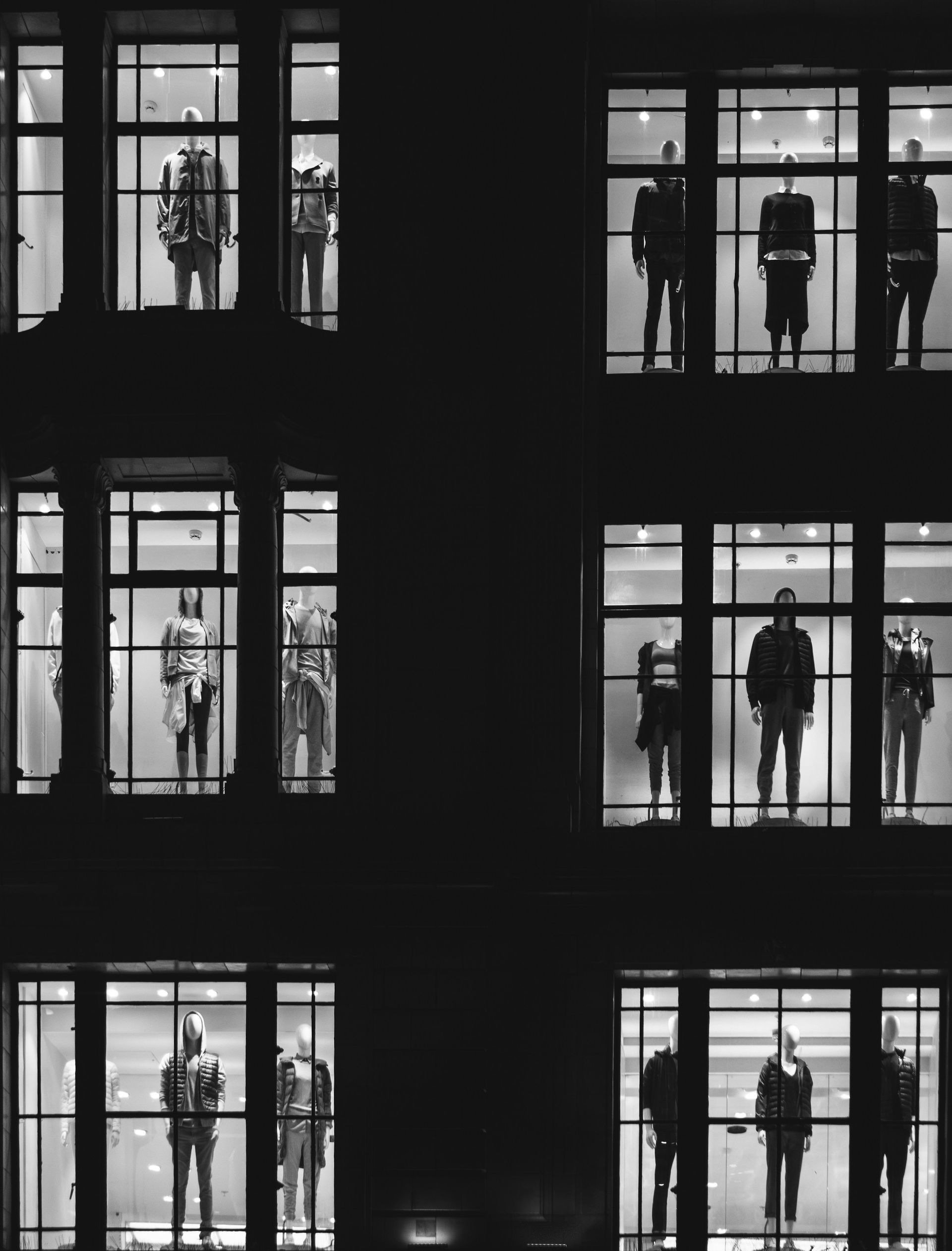
Experiential retail is increasingly being embraced by legacy and emerging brands alike, but with a high level of investment and complexity involved, how can you determine whether the experience you’re creating is truly adding value? ROI is more important than ever before. A quick Google search will tell you that experiential is being hailed as the saviour of physical retail, especially for luxury brands. It’s undeniable that customer experience is essential. But in an uncertain economy, the investment that experiential retail demands must be justified. An immersive experience can only do so much – and if the sales don’t justify the spend, will experiential retail really be able to revolutionise the brick-and-mortar shopping experience as commentators predict? Of course, value doesn’t come from purchases alone. There is a wide range of metrics that brands can draw on to understand the holistic effect of their experiential retail offering and determine whether the investment is worth the impact.
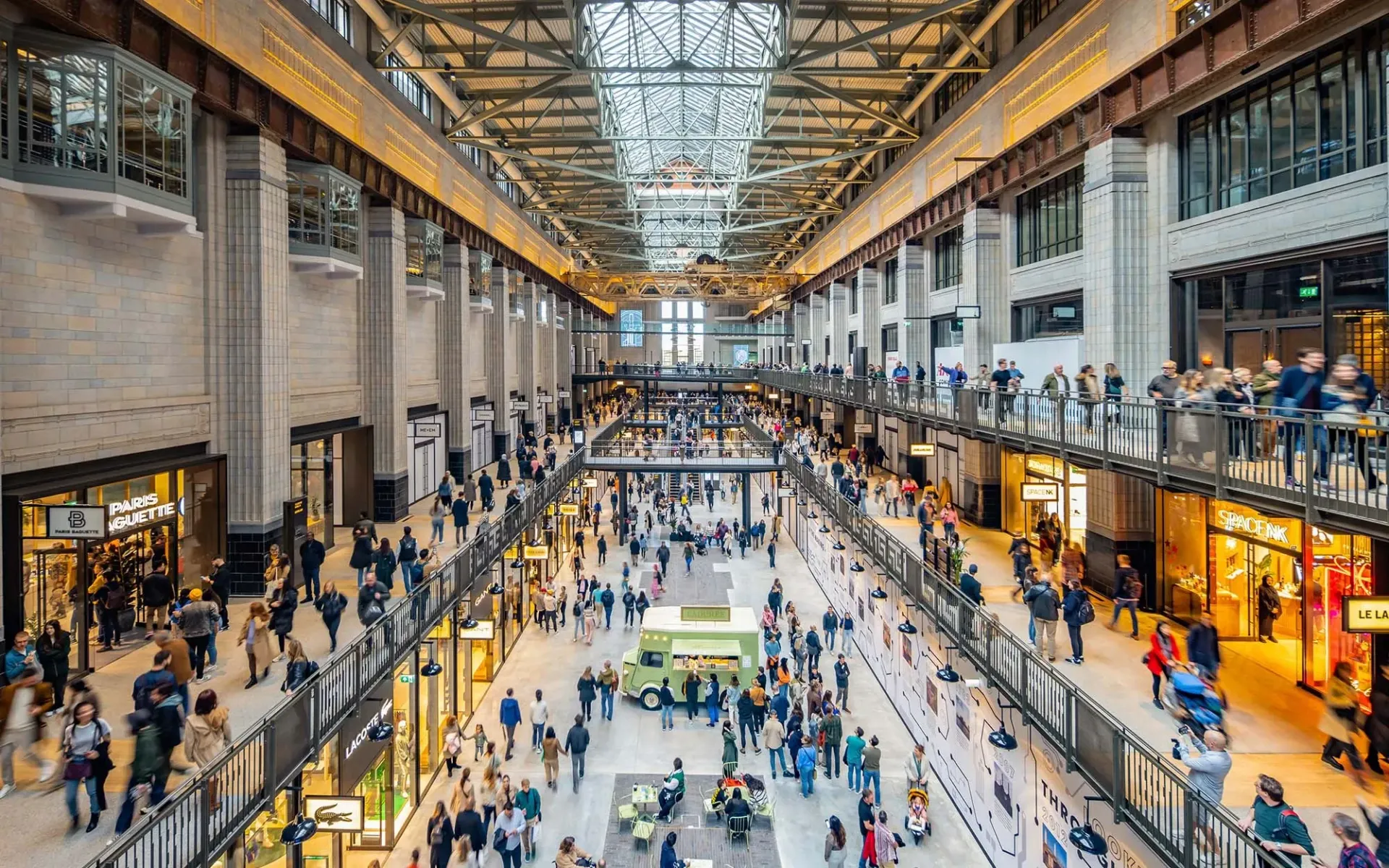
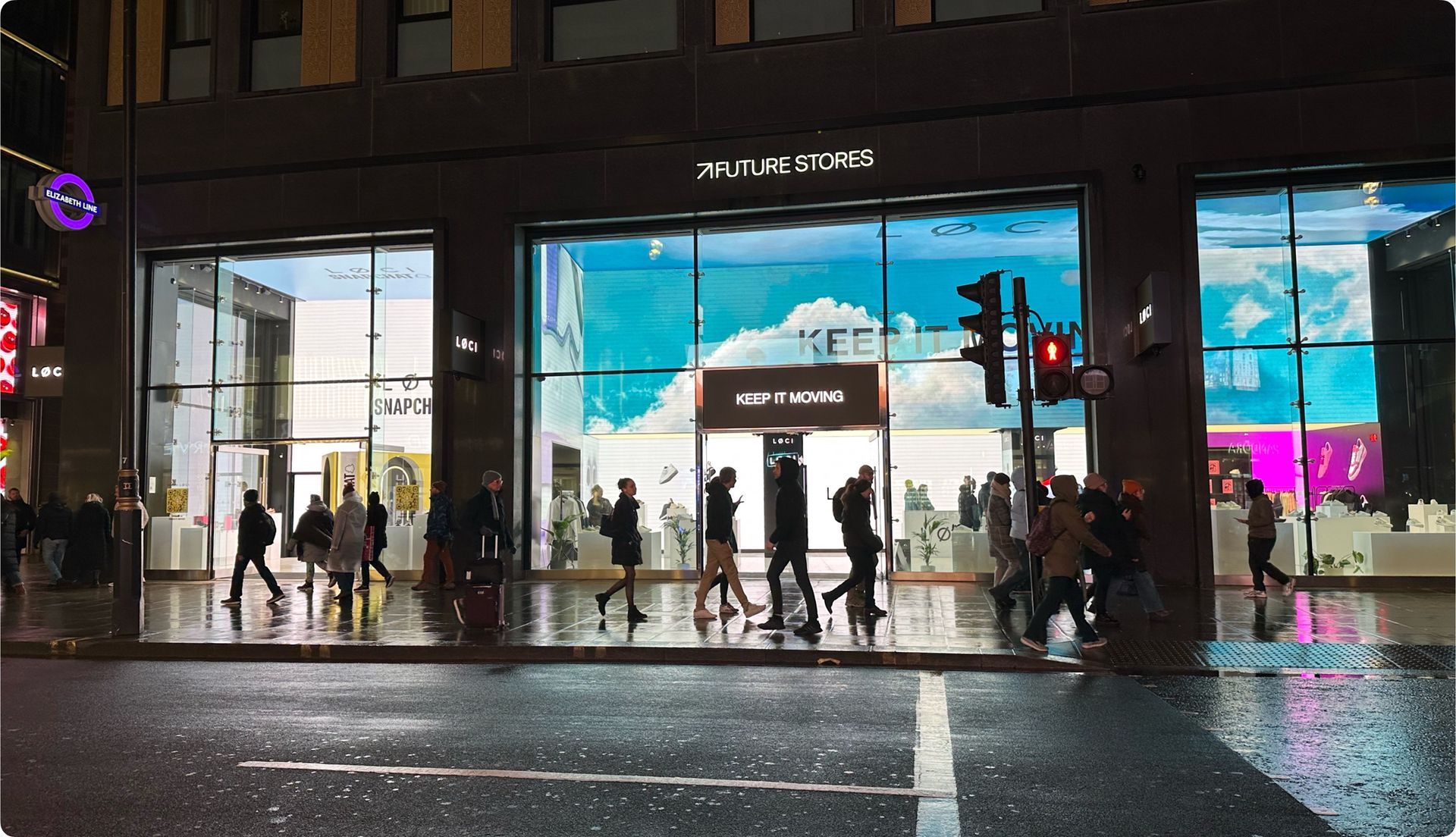
As the shopper’s mindset evolves and expectations shift, luxury retail must tap into the experience economy to redefine what physical stores can provide. When it comes to elevating retail for today’s shopper, Ariel Haroush of Future Stores is leading the way The luxury retail landscape is always evolving, but one of the most persistent discussions surrounding the sector has been the death of physical stores. The trend has been making the headlines since the 1970s when out-of-town shopping centers and outlet villages first started luring customers away from traditional city centers. The advent of eCommerce accelerated this shift and today, it’s not uncommon to read opinion pieces stating that physical retail is in permanent decline. But, to co-opt a phrase coined by Mark Twain, rumours of its demise have been greatly exaggerated. In fact, it’s much more accurate to say that physical retail is evolving, not dying. It’s true that many brands have transitioned to become online-only retailers. Economic challenges played a part, but several were forced to make that decision as they failed to offer that special something that inspires shoppers to leave the comfort of home and the convenience of online shopping to make a purchase in-store: an experience. Enter Future Stores.
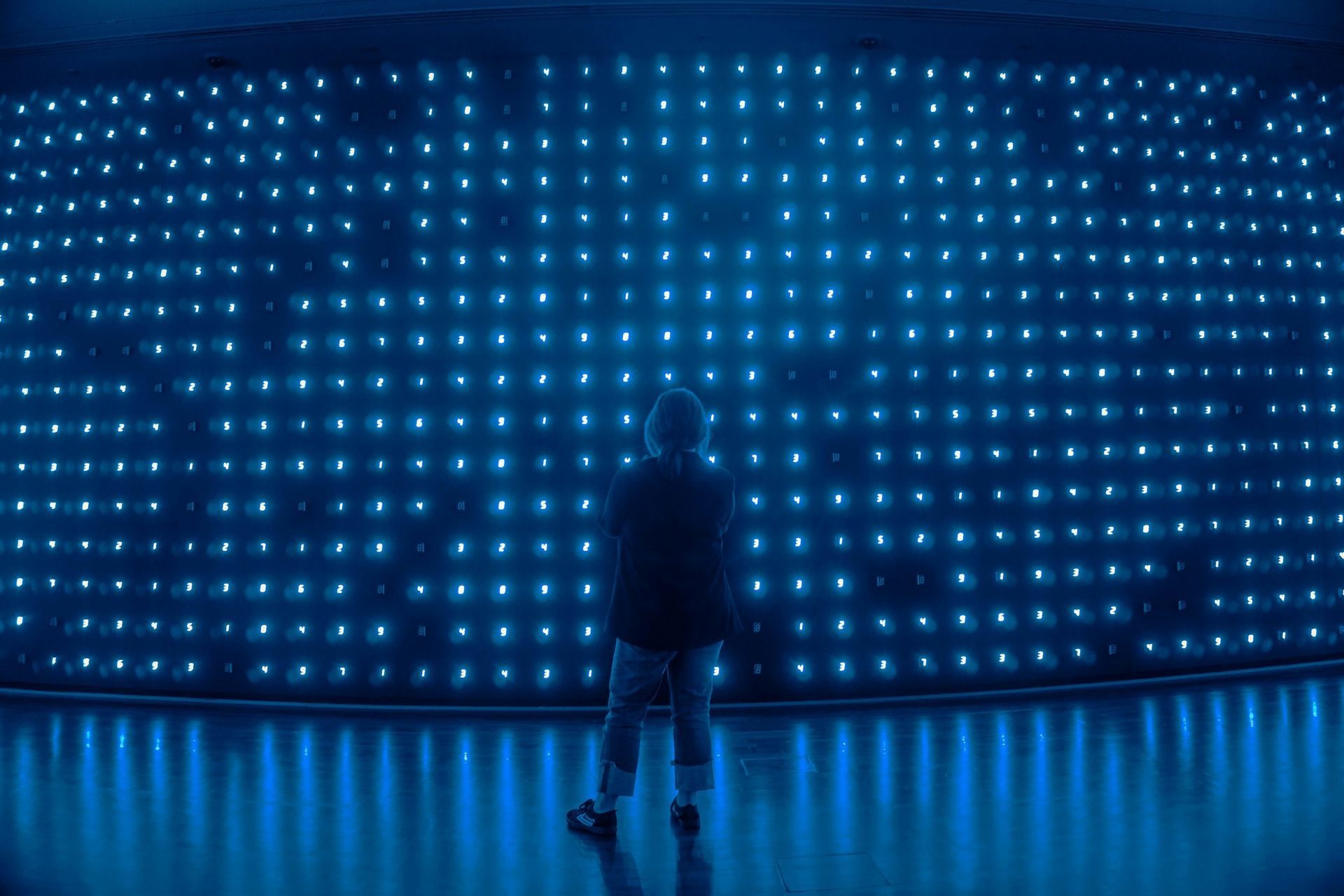
With the rise of eCommerce, technology has already transformed shopping habits. It’s impact on physical retail has been just as profound. Many retail institutions have been forced to enter administration and images of abandoned storefronts paint a bleak picture. In recent years, many have advocated for brands to focus on their online presence and move away from physical locations altogether. In contrast to this pessimistic outlook, physical retail has undergone a resurgence. Customers aware of the limitations of online have started to seek real-life experiences and connections instead. And it’s a trend that looks set to continue; in fact, 81% of Gen Z prefer to shop in-store.[1] What constitutes the in-store experience has also evolved. When virtually every item imaginable is available at the click of a button, regardless of personal preference, brands need to offer something special to entice customers away from their screens and onto the shop floor. Experiential retail provides that reason to visit – and technology makes it all possible. Brands can now curate multisensory spaces that prioritise providing a memorable experience, one that is immersive and interactive, and makes the financial transaction feel secondary.

How should a brand sound? John Crooke, Founder and Chief Media Officer of Space Factory Media, explains how brands can hit the right notes when it comes to curating a sonic identity Communicating Brand Identity Through Sound In an increasingly crowded marketing landscape, having a brand identity that can cut through the noise is a non-negotiable for both emerging and established luxury retailers. Recognisable brands are made up of many facets. Logo, colour palette, and tagline are all visual touchpoints intensively researched, tested, and rolled out cross-channel to ensure brands can be identified almost instantly. Think the Burberry check, the Chanel double Cs, and the Rolex crown. Building a strong brand identity is worth the investment; having a signature colour can improve brand recognition by 80% . But what about sonic identity? To create a singular brand vision, every element needs to be aligned, which includes everything from visual design and tone of voice to scent and music. And while it may not be the first thing that comes to mind, a brand’s sonic identity is more impactful than you might think. Sound is an important component of almost every marketing channel, from the music played in-store to the trending TikTok sounds used on social media. To be effective, each of these audio opportunities should fall under one cohesive sonic identity. A diverse aural landscape that encapsulates how a brand sounds and how that sound will be heard by its ideal customers. In other words, it’s not just about jingles, although audio cues do fall under the umbrella of sonic identity. “While developing a brand’s sonic identity goes beyond creating one signature sound, the jingle boom that ran from the 1950s to the 1980s proves that retailers have always understood the power recognisable audio has when forging connections with customers,” John explains. “Today, the ask has evolved; brands are now looking to complement their brand identity with concise sonic cues, a logo of sorts.” These audio logos range from the five-note Intel bong and Netflix’s Tudum (which has become its own sub-brand) to the Mind the Gap safety message that characterises the London Underground. Individual sound cues are just one note in the symphony of a sonic identity. Each individual component is united by a shared intention: to create a sensory moment between a brand and its customers. These moments forge connections, impact emotions, inspire action, and increase dwell time, both in-store and online. With so much at stake, it’s crucial that a thorough methodology is followed when formulating a sonic identity. While every brand is different, the process is always the same. “It all starts with a period of brand discovery and immersion,” John clarifies. “We take the time to fully understand your brand identity, dissecting its key attributes, and archetypes. Once we have that solid foundation in place, we can move into creative development, programming, delivery, and service.” The final output of this process will depend on the brand’s requirements, but it could include defining a sonic identity, formulating a sonic strategy, crafting original compositions, liaising with licensing agencies, and carrying out post-deployment research to measure the impact of sound on customer behaviour.
With digital displays providing a canvas for creativity and extraordinary customer experiences, our in-house experts Greg Gershon and Nick Phillips explain the differences between LCD and LED displays and how sustainability concerns can be reconciled with the infinite possibilities of this dynamic technology. Since the late 1980s, digital displays have been an increasingly common sight in stores. From functional screens like drive-thru restaurant menus to more creative installations that blur the boundaries between art and commerce, these displays help retailers communicate key messages, provide cross-channel consistency, and create memorable experiences for shoppers through both moving and static imagery. But when it comes to the technology that powers these digital displays, there are two go-to options for retailers: LCDs (Liquid Crystal Displays) and LED displays (Light Emitting Diodes). Decision-makers choosing between these two options are influenced by several factors, including cost—both upfront and over lifetime— and energy consumption, image clarity, and reliability. But in our view, if the display canvas size is large enough, one outperforms the other in almost every category. That’s why we’d choose LED, every time.