
How to appeal to a new luxury customer
How to appeal to the new luxury customer
Can brands appeal to the new generation of luxury customers without alienating their established base?
Mood Media’s Head of Creative Barry McPhillips shares his insights into how both heritage and hypebeast brands are navigating this question and shaping their in-store experiences in response
New Generation, New Expectations
How do we define today’s luxury customer?
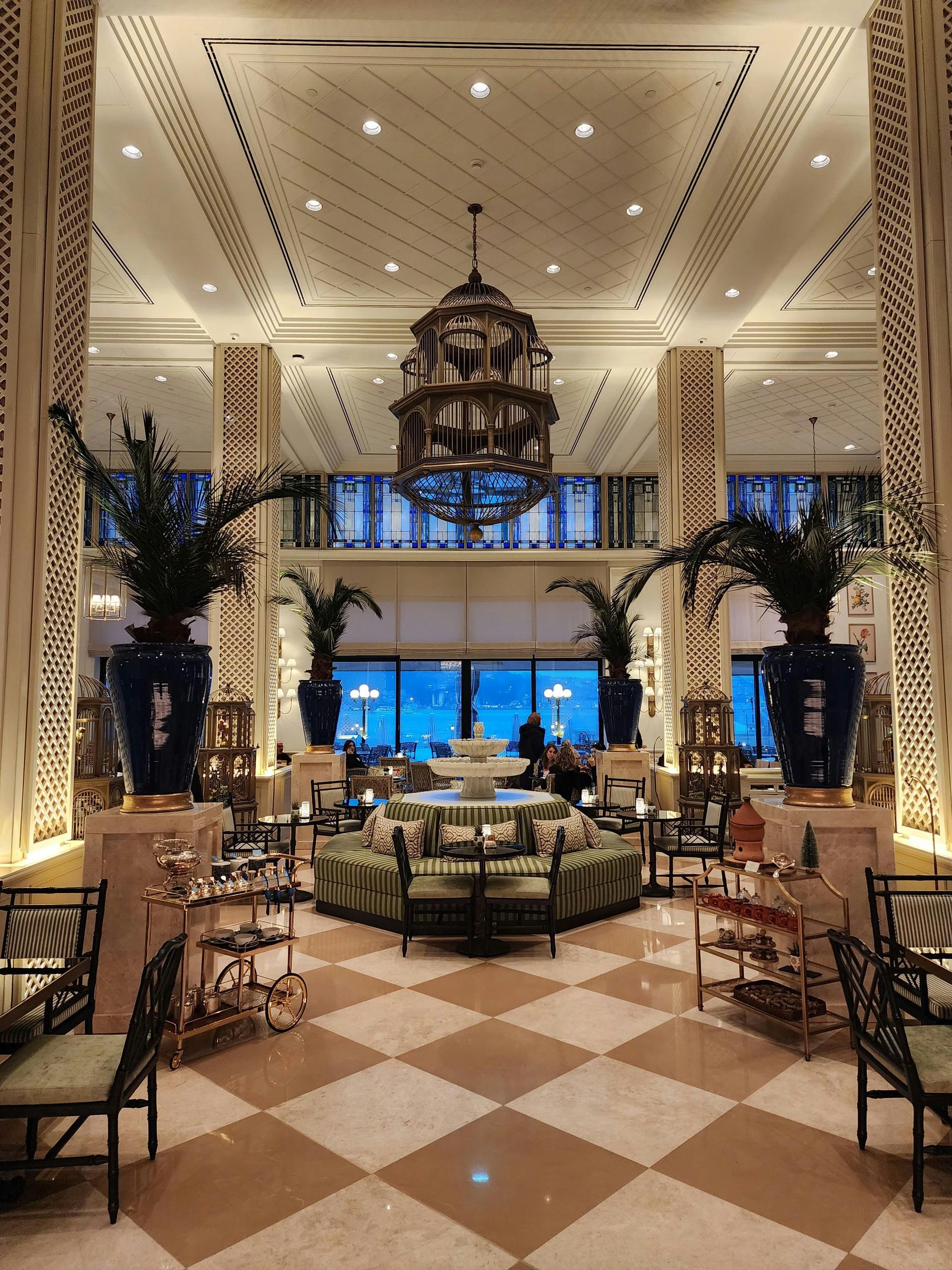
The traditional customer base for heritage brands is still a powerful market segment; these shoppers value loyalty, personalised service, emotive in-store experiences, and purchases that make them feel special.
But a new generation of luxury shoppers is disrupting the status quo.
“Their expectations are very different. More immediacy, more theatre, more drama, more online,” explains Barry McPhillips, Head of Creative at Mood Media.
Loyalty is no longer a priority. In fact, the product isn’t even necessarily the most important aspect of a luxury purchase for these customers. They’re more interested in buying into the feeling it gives them.
This shift means that the luxury shopping experience has expanded beyond the boutique. It’s no longer just about curating exceptional in-store environments, the customer journey both pre and post purchase is equally important.
It also presents a dilemma for brands looking to retain their loyal customers while also engaging the next generation – is it possible to evolve without alienating?
Hypebeast vs. Heritage
One thing is clear, staying still isn’t a viable option.
No matter whether a luxury brand has been around for 150 years or 15 months, to maintain its position in the public consciousness, it needs to lead the charge and take calculated risks to avoid fading into irrelevancy. Historic prestige has a time limit.
“Luxury brands have to push the boundaries of what’s next,” agrees Barry.
This doesn’t equate to embracing every technological advancement and crafting hyper-sensory experiences that assail the senses. That’s reserved for the hypebeasts.
Hypebeast brands occupy a unique space in the luxury market.
Rooted in streetwear culture, subversive art, and online communities, at first glance, they appear to be the antithesis of heritage luxury but command similar price points and bridge the gap by engaging in collaborations with leading fashion houses and artisans alike. Leaders in this sub-category include Supreme, Off-White, Golden Goose, and Chrome Hearts.
“There’s a whole new world of luxury and those brands are playing to their audience in a very different way,” Barry confirms.
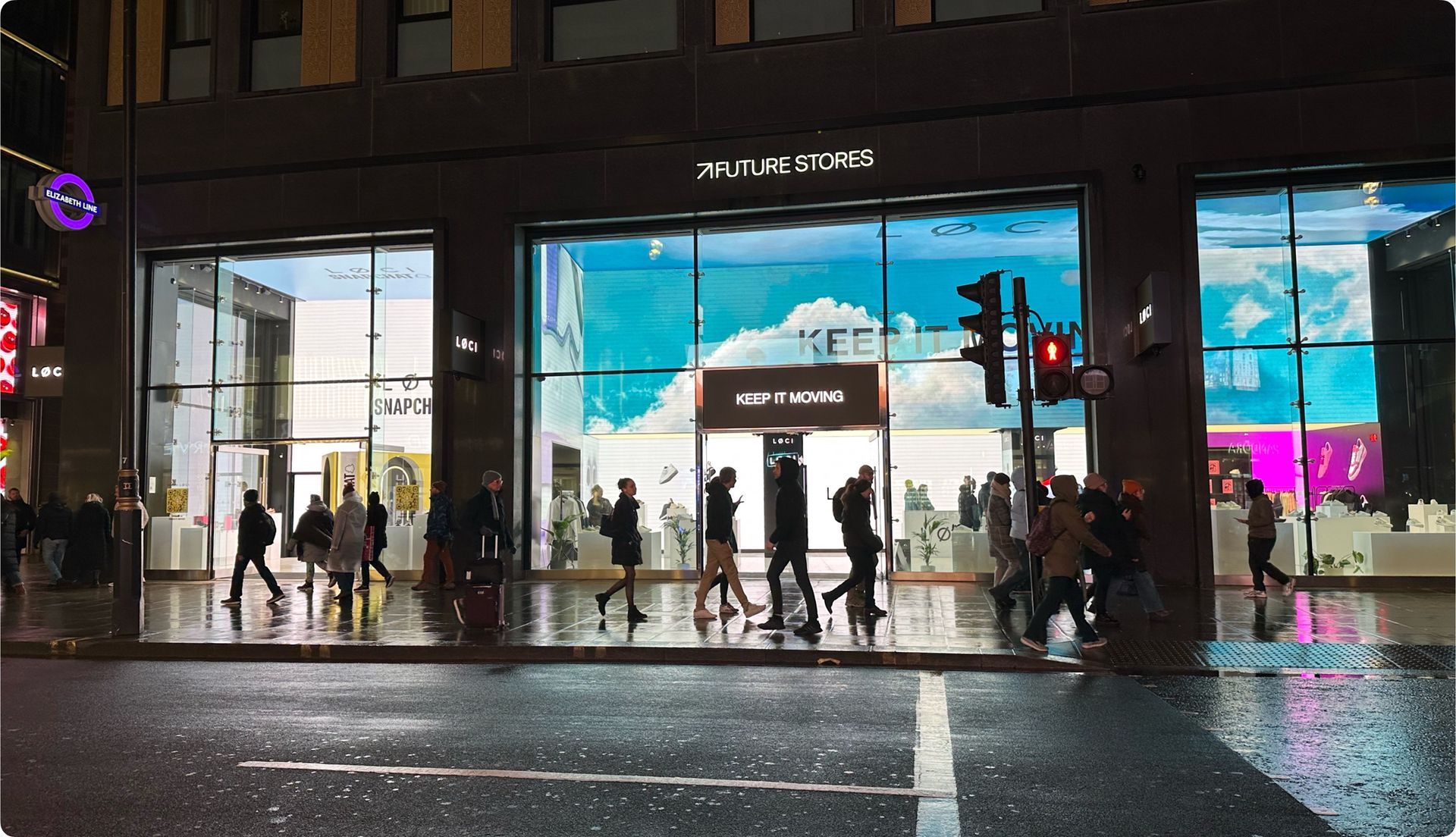
Hypebeast brands are known for their exclusive and surprise product drops, lines stretching around the streets, bold branding, and stores that resemble warehouses with distressed walls, concrete or wooden floors, and skateboards and cartoon posters lining the walls.
It all contributes to that intangible ‘it’ factor – the brand’s key selling point. Hypebeast stores need to reflect the brand aesthetic while also being camera-ready for viral social media moments. Interactions with employees are brief, digital displays are either virtually non-existent or set into expansive video walls, and cross-channel content eliminates the boundaries between online and offline experiences.
Luxury brands built on craftsmanship, heritage, and prestige cannot – and shouldn’t want – to compete in the same space as the hypebeasts.
Instead, they need to lean into their unique appeal, attracting the new generation of luxury customers by taking them behind-the-scenes through content and experiences that invite engagement rather than maintaining exclusivity for exclusivity’s sake.
Not only does this approach help to build a new customer base but it also highlights what makes luxury brands worth the extra investment.
“Johnstons of Elgin in Scotland, who make cashmere and wool, are a fantastic example,” Barry adds. “I took the factory tour and suddenly, once you understand the craftsmanship, the price point makes sense and is easily justified.”
From Selling a Product to Promoting a Lifestyle
Heritage luxury brands pride themselves on their craftmanship, but the new generation of customers is less interested in items and more inspired by the lifestyle they represent.
“It’s not the thing that they buy, it’s the feeling they get,” Barry explains.
In-store experiences are still important but new rules apply. Goods need to be presented but displaying them in situ appeals to lifestyle customers more effectively than standard placements.
By demonstrating how the product may be used in real life, customers are able to envision how it will elevate their everyday. It’s a form of storytelling but not one that relies on longer-form content like videos or written text that require more time and attention to absorb.
The new luxury customer also expects brands to cater to their lifestyles, whether that’s allowing them to bring their new puppy into the showroom, providing out-of-hours appointments, or offering tech to keep their children entertained while they browse.
Memorable moments and contextual curation
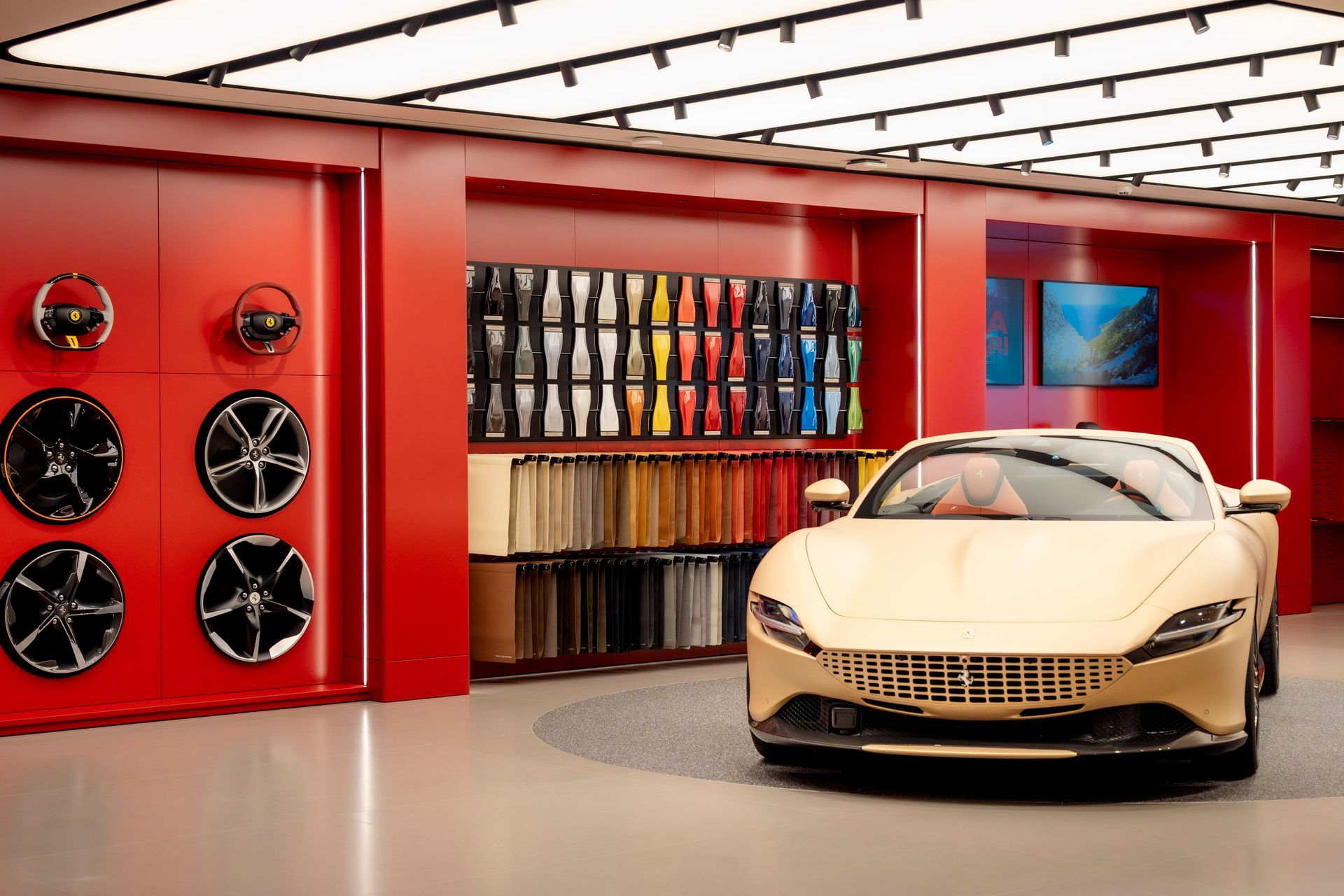
Curating an impactful in-store environment that appeals to the new luxury customer means balancing House codes with consumer expectations.
Audio, visuals, scent, and other sensory tools each have a role to play, but it’s essential that their execution isn’t loud, brash, or obviously striving for “cool” status.
“Luxury brands who do it well, do it very sympathetically. It’s not digital for digital sake, it’s woven into the experience in a considered way,” explains Barry. “Technology needs to be almost invisible, certainly in a luxury setting.”
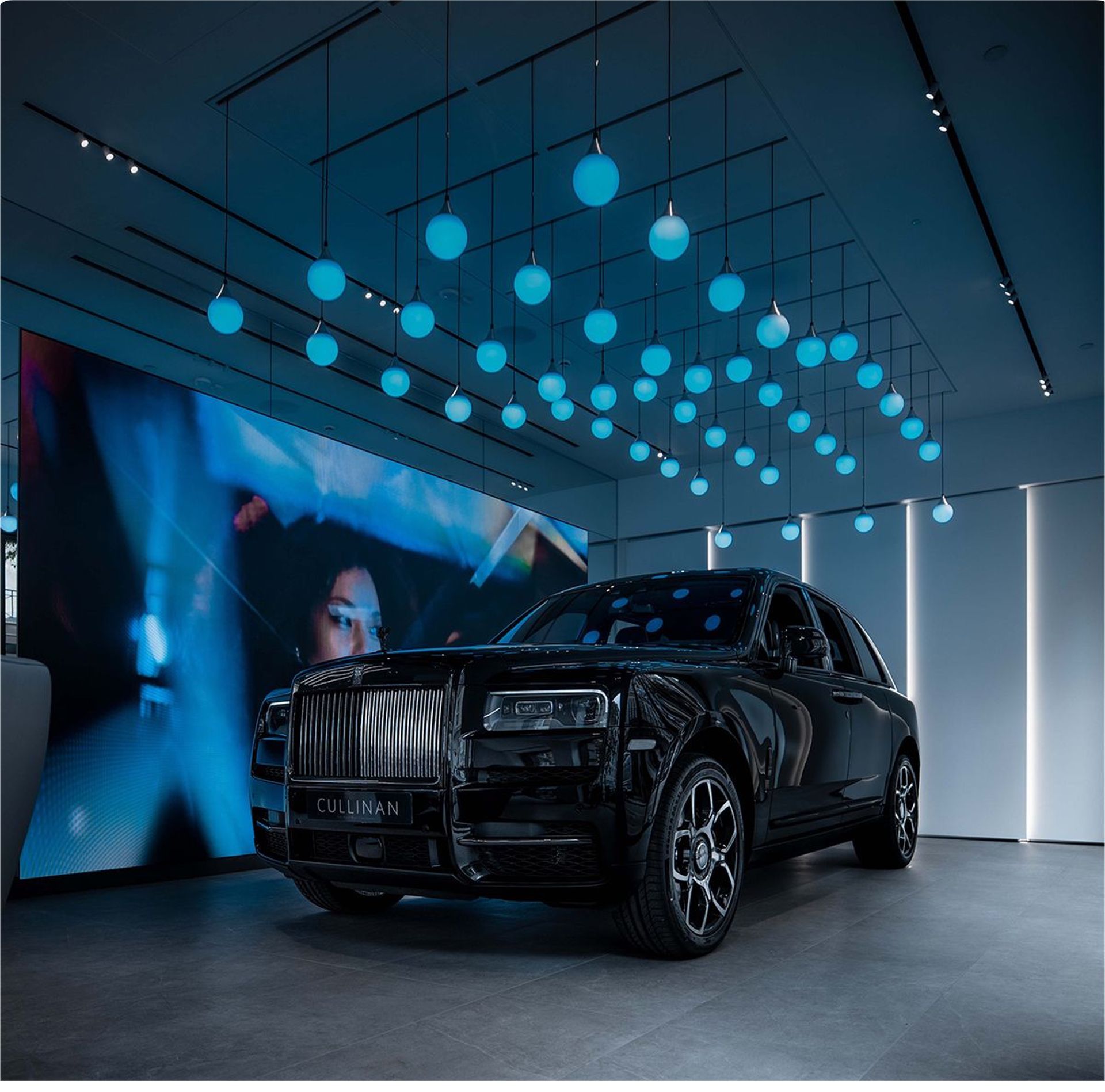
Digital displays, for example, may not immediately spring to mind when imagining a luxury boutique but creative deployment makes all the difference.
“Dior had a touchscreen controller that projected onto the wall and the space where it projected had photo frames,” Barry continues. “Some were real pictures and others were digital displays. That’s an example of technology being built into the environment, so it doesn’t feel overt.”
These harmonious spaces can be enhanced, and customer connections deepened, by adapting the environment to shape the shopper journey. Certain elements can be amplified in different areas of the store to provide a more nuanced immersive experience.
“Designs can be adaptive, so each zone offers a different heightened experience that you don’t even notice – it’s in the back of the mind. One part may have a stronger scent than another as you don’t want people to dwell there too long. It’s not just thinking about the store as one space, it’s designing the space to do different things.”
However, as Barry warns, this approach must be all or nothing to have the desired effect. “If you’re going to go bespoke, you have to go all in.”
That’s not to say that the type of hyper-stimulating environments that attract the new generation of shopper are inaccessible to heritage luxury. While high-impact visuals, audio, and interactive technology are unlikely to be a good fit for fixed locations, pop-ups put everything on the table. It all depends on the objective; if the goal is to attract attention, then a multisensory experience that is intended to overstimulate achieves that objective. The right task for the right client, executed in the right way.
AI, but make it art
The average new luxury customer is already starting to integrate AI into their daily lives, so it’s only natural that they would expect their favourite retailers to be experimenting with this emerging technology too.
The shift from mass-market to luxury brands is that the higher end of the market needs to be more considered with their use of AI, rather than focusing on cost savings and operational efficiencies (at least not outwardly) they should use AI’s unique abilities to add value to the shopping experience.
“With AI in the luxury environment, it’s the idea behind how you use it that matters. AI isn’t about cutting corners, it’s about how it solves a problem or creates an opportunity,” adds Barry.
This could mean creating bespoke digital artworks using proprietary data that evolve over time as more purchases are made or curating handover experiences with personalised audio messages from the brand CEO.