

Adding value: measuring the impact of experiential retail
Experiential retail is increasingly being embraced by legacy and emerging brands alike, but with a high level of investment and complexity involved, how can you determine whether the experience you’re creating is truly adding value?
ROI is more important than ever before.
A quick Google search will tell you that experiential is being hailed as the saviour of physical retail, especially for luxury brands.
It’s undeniable that customer experience is essential. But in an uncertain economy, the investment that experiential retail demands must be justified.
An immersive experience can only do so much – and if the sales don’t justify the spend, will experiential retail really be able to revolutionise the brick-and-mortar shopping experience as commentators predict?
Of course, value doesn’t come from purchases alone. There is a wide range of metrics that brands can draw on to understand the holistic effect of their experiential retail offering and determine whether the investment is worth the impact.

What is experiential retail?
First things first, what do we mean by experiential retail? In essence, it’s an approach to retail that isn’t centred on the transaction. Instead, it’s focused on creating an immersive, interactive, and memorable customer experience. These experiences are designed to engage customers and forge an emotional connection.
In practice, these experiential activations can look like:
- In-store events
- Hands-on product demonstrations
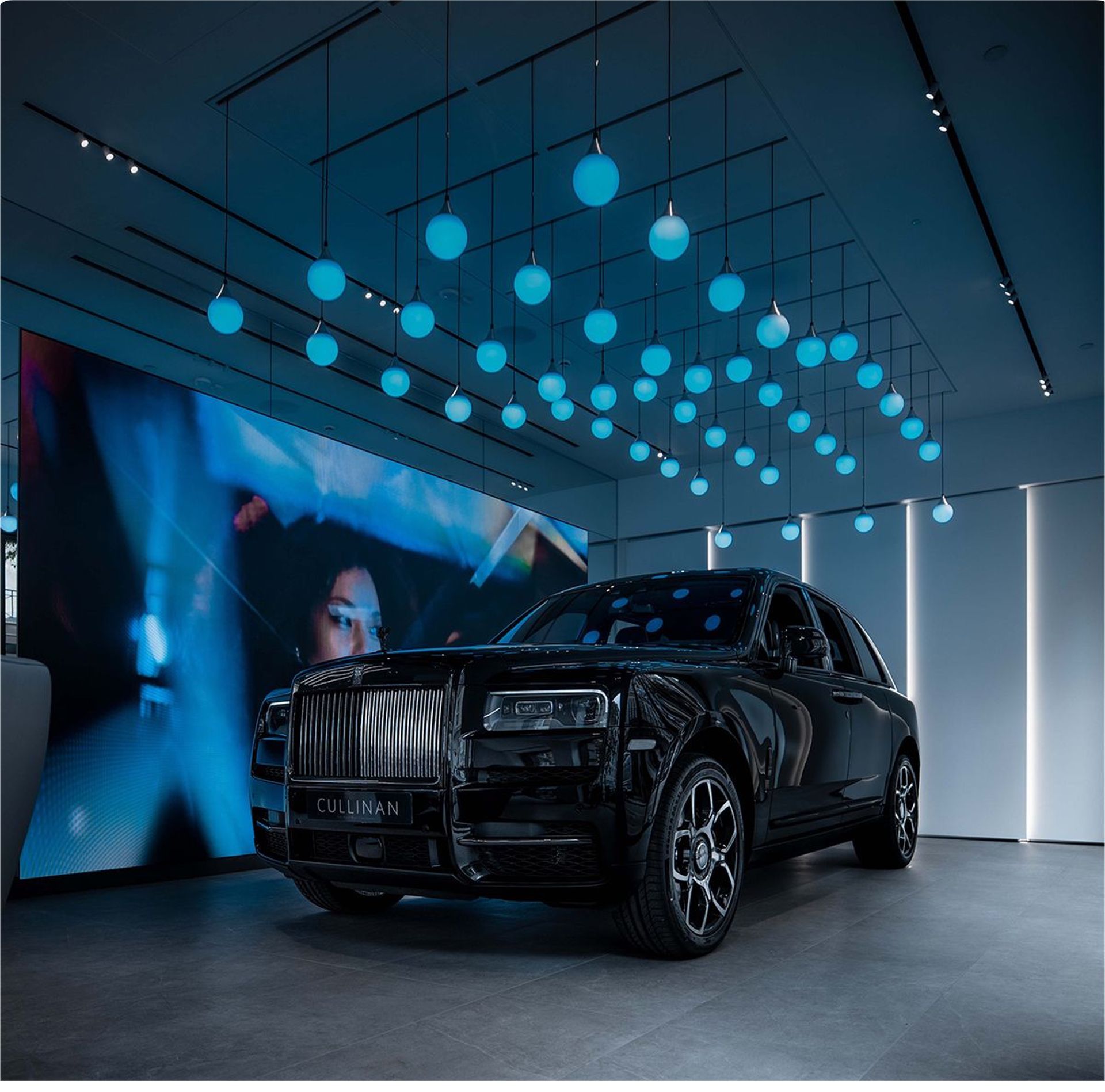
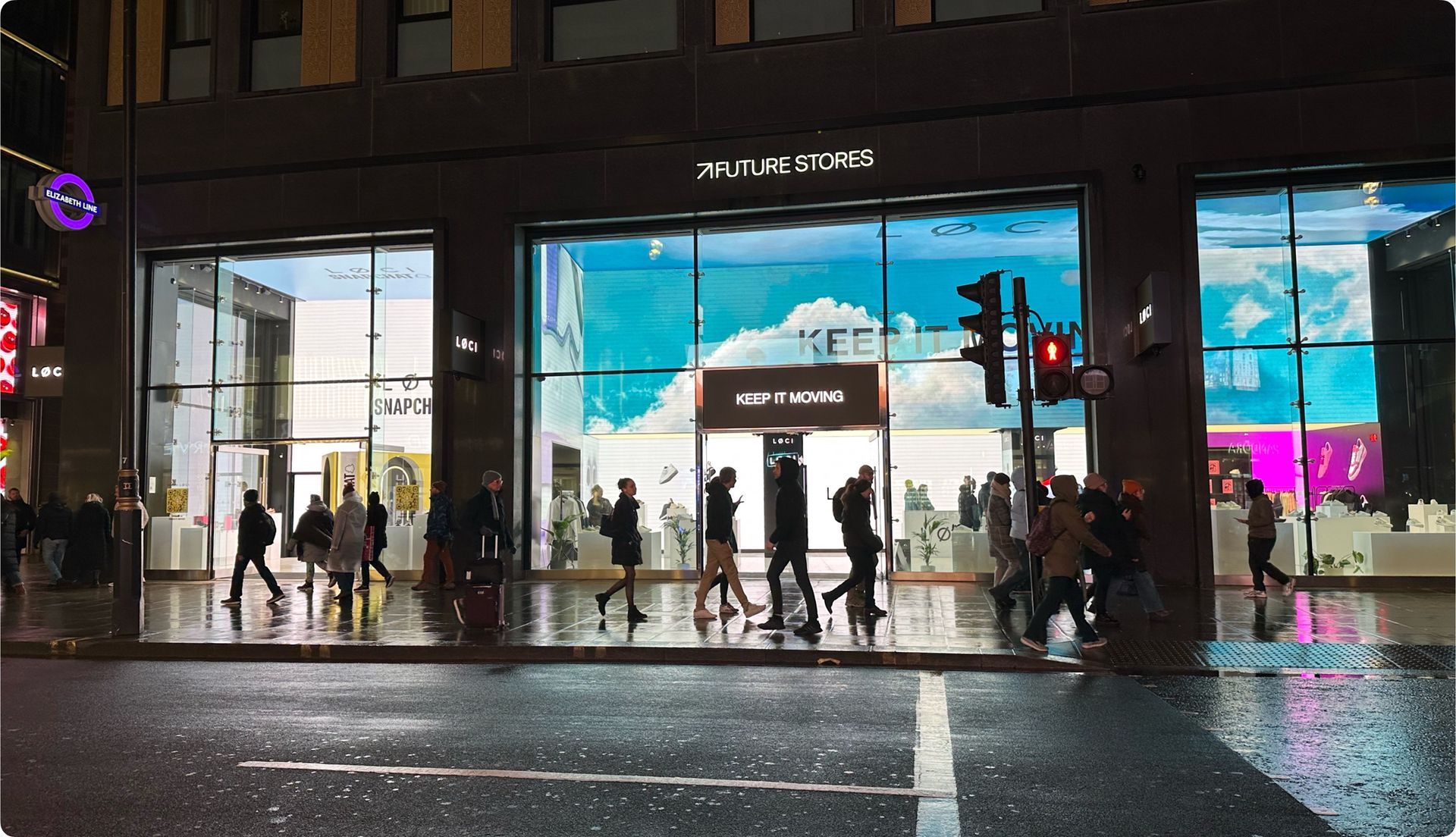
- Visually impactful and interactive displays
- Unique sonic landscapes
- In-store product customisation
- Augmented and virtual reality
Defining value
The studies all say the same thing: consumers are prepared to pay a premium for an exceptional experience. In fact, according to a Dojo report from 2022, consumers would be willing to pay 28% more.
And that’s not all; brand sentiment improves after consumers spend time in an experiential store. Adobe Business found that 91% of shoppers have a more positive association with a brand after attending an in-store event.
These statistics look great on paper, but will they be enough to convince your finance team to invest?
It all comes down to how you define value. While turnover and profit are important metrics, becoming laser-focused on the bottom line can be a short-sighted approach, especially in the luxury sector.
It’s important to assess the value of the retail experience beyond consumer spend and purchase ratio.
Consider an example from the world of marketing: Nike has been criticised by the Wall Street Journal for its strategic switch away from brand building to pure performance marketing.
While data-driven approaches have their benefits, failing to consider brand marketing’s intangible benefits can lead to relying on tactics that ultimately undermine trust, reduce relevancy, and risk alienating the core consumer.
The takeaway? Creativity and connection have intrinsic value, even if that isn’t immediately evident in your profit and loss sheets.
A calculated risk?
Experiential retail requires investment, and in many cases, that investment is substantial. A 2025 study by real estate company Cushman & Wakefield found that rents in London’s New Bond Street average at $2231 USD per square foot per year.
It’s not just high costs that can make brands hesitate, the execution of truly effective experiential concepts can be complex, often requires state-of-the-art technology, and needs to be integrated with your wider marketing ecosystem.
Of course, working with an expert team can help to overcome these stumbling blocks and ensure reporting is in place to prove the business case of your curated space.
Working with a partner who knows the retail landscape inside out, has connections with the world’s best technology providers and content creators, and always tailors its service to meet your unique needs can offset the risks involved with experiential experiments.
But it’s also worth noting that KPMG found that brands that leverage experiential retail can reduce their digital customer acquisition costs by between 20 and 30%.
If you’re successful in persuading customers to return to your store because of the experiential features you’ve implemented, then you’ll be keen to know that Bain & Company found a 5% increase in customer retention can result in a 25% profit increase.
Metrics to measure
When it comes to measuring the value of experiential retail, you can look at both tangible and intangible metrics.
Innovative technology, such as the tracking tools provided by PFM Intelligence, can deliver insights on footfall, consumer behaviour in-store, and dwell time while coordinating with your digital marketing teams can gather information post-visit. Surveys, reviews on third-party sites, loyalty programme membership, social media engagement, and website traffic can all provide valuable information.
To assess the ROI of your experiential tactics, you can look out for:
- Increased dwell time
- Increased foot traffic
- Increased interaction with sales associates
- Increased sales and conversion rates
- Increased brand loyalty and advocacy
- Improved brand image
More challenging metrics to measure – that can still demonstrate value – include:
- Efficiency
- Economic value
- Visual appeal
- Entertainment
- Service excellence
- Escapism
- Enjoyment
How to derive the most value from experiential retail
With consumers who prioritise control and convenience heading online, physical stores can become retail theatres for brands prepared to inject imagination and investment.
It’s not just about the value experiential can generate for your brand; after all, it’s the value it provides to your customer base too. It’s worth remembering that a Forrester report found that 66% of consumers think that a company valuing their time is the most important thing they can do. If your customer has given their time to visit your store, they deserve to be compensated with a valuable experience, especially if you want them to return again and again.
Luxury brands arguably have the biggest opportunity, enhancing the in-store experience for high-value customers who already actively engage with the brand but need a reason to revisit.
Curating an engaging visual space is also irresistible to digital natives who are always looking for a new backdrop to highlight on their Instagram grid or TikTok feed. For the social media generation, experiential retail gives them a reason to visit your store and generate that word-of-mouth buzz that is virtually impossible to generate artificially.
The luxury sector is also one where hands-on testing and workshops can provide added benefits. Allowing customers to touch and try your products creates an instant connection; it’s why brands like Lush and Apple can afford to charge a premium for their items. Customers can experience them in-store and forge a connection before they decide to make it their own.
It's all about tailoring your offering to your ideal customer and curating a retail space that prioritises experience above all else.
Remember, it’s the journey that matters, not the destination.