

Insights from Invidis DSS Europe

March 10, 2026

As digital signage continues to develop, having a forum where industry leaders can discuss the evolution of the industry, client concerns, and future innovation is more important than ever. That’s where Invidis DSS Europe comes in. Trey Courtney, our Chief Product and Partnerships Officer, shares his learnings from this year’s event 


Digital signage has evolved beyond recognition since its introduction in the late 1980s when retailers first started to experiment with using video monitors and VHS tapes to complement their static displays. Today, it’s an essential component of modern retail, impacting the in-store customer experience, providing a canvas for dynamic content, and, ultimately, driving conversions.


The Invidis Digital Signage Summit Europe (DSS Europe) is the industry’s largest global conference, inviting technology leaders from around the world to explore the latest developments in the sector while discussing everything from safety and security to personalisation powered by AI.


This year’s event was held in Munich and our Chief Product and Partnerships Officer, Trey Courtney, was invited to speak on three panels: Operations and Remote Device Management; Network Operations; and The Leading Integrators of the World. When not appearing on stage, Trey was able to explore the conference and came away with some valuable insights into the challenges retailers might be facing while looking to maximise the opportunities offered by digital signage in the months and years ahead.


Managing signage effectively


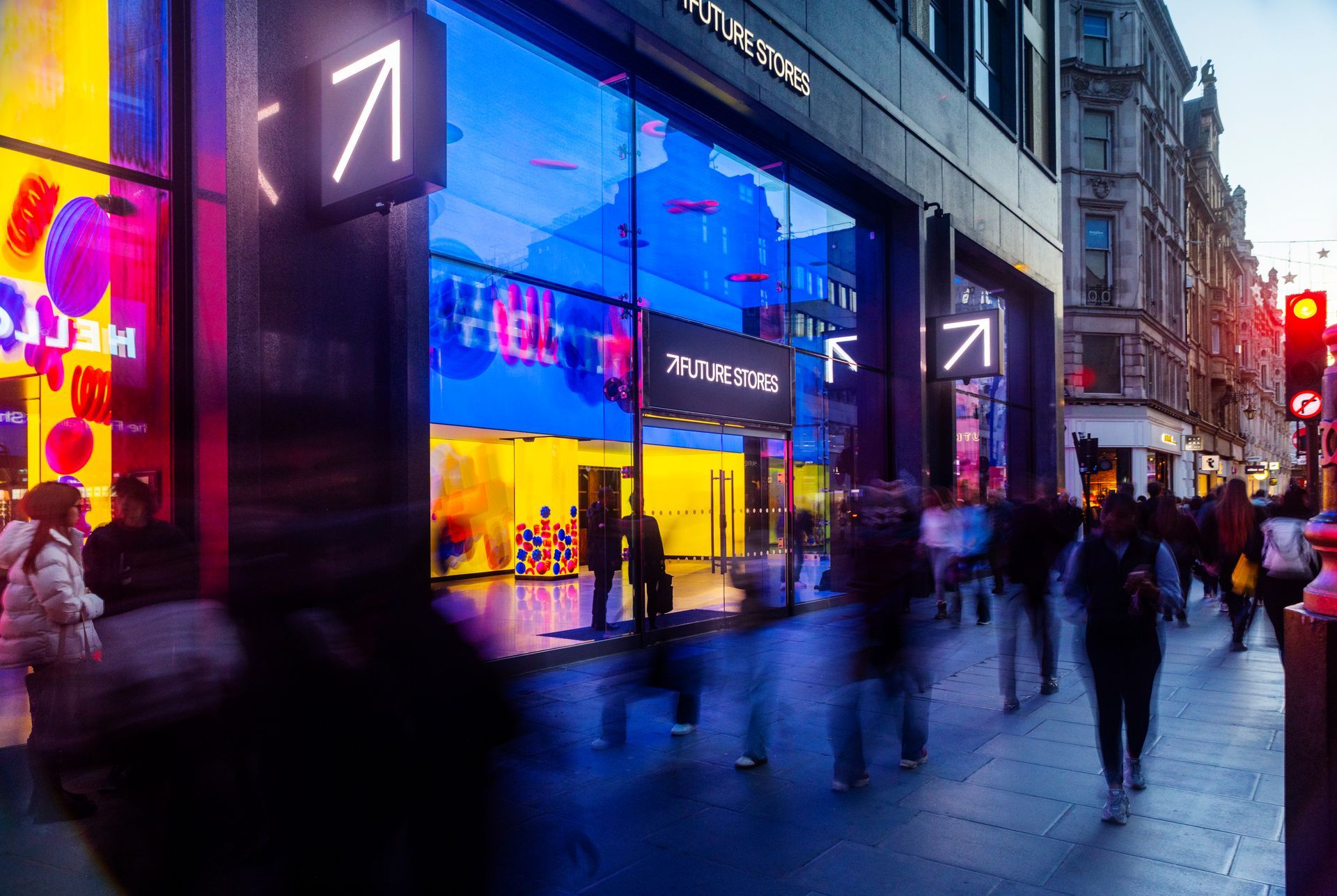
One of the reasons why DSS Europe exists is due to the importance of this channel to physical retail. The use cases for digital displays range from window signage and video walls to interactive touchscreens and electronic shelf labelling. But one of the biggest topics of conversation during the conference was how to effectively manage displays once they’re installed in-store.


“When it comes to managed services and digital displays, it’s important that we don’t get confused by assuming it’s the same as IT managed services,” explains Trey. “Rather than being focused on managing networks, these services are more proactive, actively monitoring displays, carrying out preventative maintenance, handling spare management, and providing on-demand support.”


To truly make the most of digital displays, there are a wide range of considerations for retailers to keep in mind. From content strategy, production, and management to the installation of screens, choosing end-to-end solutions with ongoing consultation included could help brands maximise the impact of their displays without encountering excessive complications.
Optimising retail media


The theme of optimisation also came up in discussions of retail media. This is where retailers can use their display screens and customer data to unlock an additional revenue stream. The advertisements can depict the brand’s own products and services or those of third parties, with relevancy ensured thanks to the data retailers have on their customer behaviour and purchase history.


“Retail media offers a wealth of opportunities for retailers but there are nuances to consider,” Trey confirms. “It goes beyond simply installing more displays and the question of licensing, there’s the potential ad revenue, of course, but also brand reputation, data collection and the security and privacy concerns that come with it, and how to effectively measure the true impact of retail media.”

 Sustainability concerns


Data security and privacy weren’t the only ethical issues being debated at DSS Europe. Sustainability remained a core conversation and there was a dedicated Green Signage Workshop run by Daniel Oelker of Invidis Impact. Topics covered included the latest legislation, especially in the EU, which could start to impact digital display providers of all shapes and sizes from 2026 onwards.


“While the impact of sustainable legislation may not be immediately felt by those working in the digital displays industry, especially in the US, it’s not a topic that should be put on the back burner and forgotten about,” Trey explains. “Even in markets where the cost of energy is relatively low, it’s important that digital display providers start to take small steps to reduce emissions throughout their supply chain. Europe is leading the way and I have no doubt that the rest of the world will follow.”


After a packed two days, Trey returned from Munich with a greater understanding of the European digital display landscape as well as the services and opportunities the channel offers that may not be being maximised by retailers.


“In a field as fast moving as digital displays, having an event  where industry leaders, executives, and technology experts can come together to discuss developments is incredibly valuable,” He explained. “I’m grateful to have been invited to contribute to three interesting panel discussions and look forward to attending again next year.”

April 13, 2026
How to appeal to the new luxury customer Can brands appeal to the new generation of luxury customers without alienating their established base? Mood Media’s Head of Creative Barry McPhillips shares his insights into how both heritage and hypebeast brands are navigating this question and shaping their in-store experiences in response New Generation, New Expectations How do we define today’s luxury customer? The traditional customer base for heritage brands is still a powerful market segment; these shoppers value loyalty, personalised service, emotive in-store experiences, and purchases that make them feel special. But a new generation of luxury shoppers is disrupting the status quo. “Their expectations are very different. More immediacy, more theatre, more drama, more online,” explains Barry McPhillips, Head of Creative at Mood Media. Loyalty is no longer a priority. In fact, the product isn’t even necessarily the most important aspect of a luxury purchase for these customers. They’re more interested in buying into the feeling it gives them. This shift means that the luxury shopping experience has expanded beyond the boutique. It’s no longer just about curating exceptional in-store environments, the customer journey both pre and post purchase is equally important. It also presents a dilemma for brands looking to retain their loyal customers while also engaging the next generation – is it possible to evolve without alienating?
By Andrea Duckett April 1, 2026
How luxury shopping is hoping to attract the next generation of shoppers As luxury retailers look to retain their existing customer base while appealing to new audiences, they are evolving their approach to both their bricks-and-mortar stores and live media experiences. But with Gen Z brand loyalty never guaranteed, will investing in attention grabbing activities be enough to secure the future of the luxury sector? The economic uncertainty of recent years has been challenging for retailers, especially those operating in the luxury space. Richemont (owner of Cartier and Montblanc) saw operating profits drop by 17% year-on-year in the first half of 2025, Gucci’s revenues fell by 25% in the same period, and LVMH group revenues were down 2% in the first nine months of 2024. While engaging existing consumers will be an important part of these brands’ survival strategy, harnessing the spending power of Gen Z will be essential if the luxury industry is to navigate this difficult period and secure future prosperity. Currently aged between 13 and 28, Gen Z is the audience luxury retailers are hoping to attract - and for good reason. Gen Z spending is projected to reach $12 trillion by 2030 and their rate of spending on luxury goods is expected to be three times faster than other generations. But perhaps one of the most interesting stats to look at when considering how luxury shopping can adapt to serve Gen Z shoppers is that in-store mass merchandise and grocery purchases account for nearly 50% of their total spending. Gen Z is truly the omnichannel generation. While digital channels will continue to be an important driver of both online and offline sales, luxury brands are increasingly re-evaluating the role their retail spaces can play in securing the attention – and loyalty – of Gen Z shoppers. Capitalising on the potential of live media – immersive, real-world experiences designed to forge connections with new and existing shoppers – can help brands find the sweet spot between strategy and spectacle.
By Andrea Duckett March 31, 2026
The impact of digital content and personalised experiences Personalisation is expected to transform physical retail in the coming years, but is anyone doing it right When it comes to adapting digital content to serve a specific audience, there’s a wide gap between ambition and expectation – and customers are more than aware of this discrepancy. In fact, only 23% of shoppers think that retailers are doing a good job when it comes to personalisation.[1] But how can brands bridge the gap? It all starts with understanding customer experience. Content for content’s sake isn’t just a waste of budget, but it also runs the risk of alienating loyal customers. If this sounds familiar, you’re not alone. Several luxury brands are hampered in their efforts to implement digital content effectively; some haven’t built sufficient knowledge of the customer in-store experience, some don’t have buy-in from stakeholders, and some are restricted by budget. Any luxury brand considering using digital content in their retail stores – and potentially personalising that content – should start with four key questions: 1. What is the purpose of this content? 2. In what context will customers experience this content? 3. How will this content impact the customer journey? 4. Does this content complement the store environment? If you don’t have an answer to each of these questions, you’re probably not ready to maximise the opportunity digital content offers. And it is a considerable opportunity; retailers who can effectively leverage personalised digital content in-store are 48% more likely to exceed their revenue goals. So, how can you use digital content effectively?